
 LU konference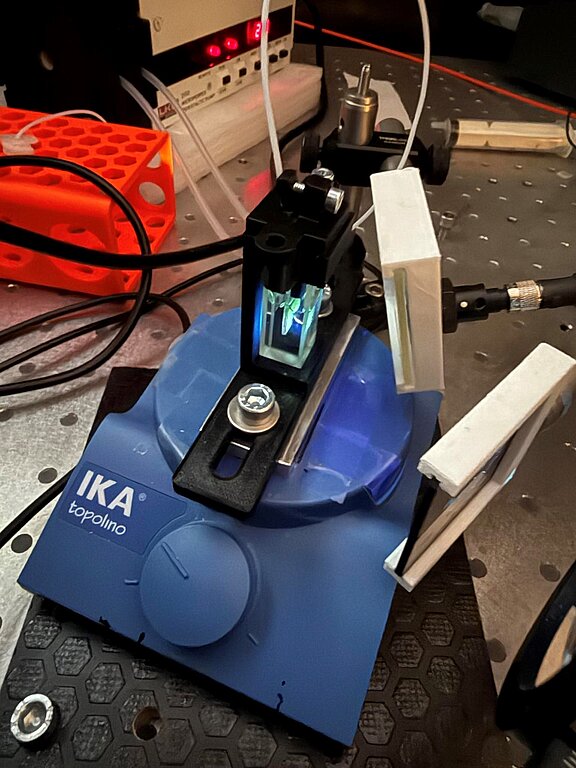
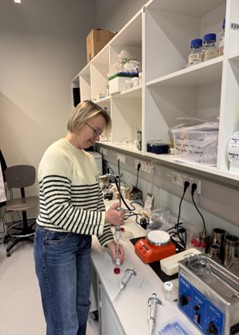
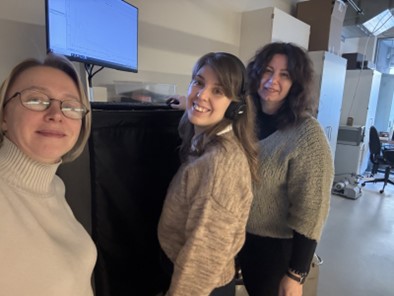
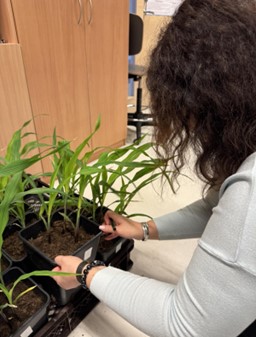
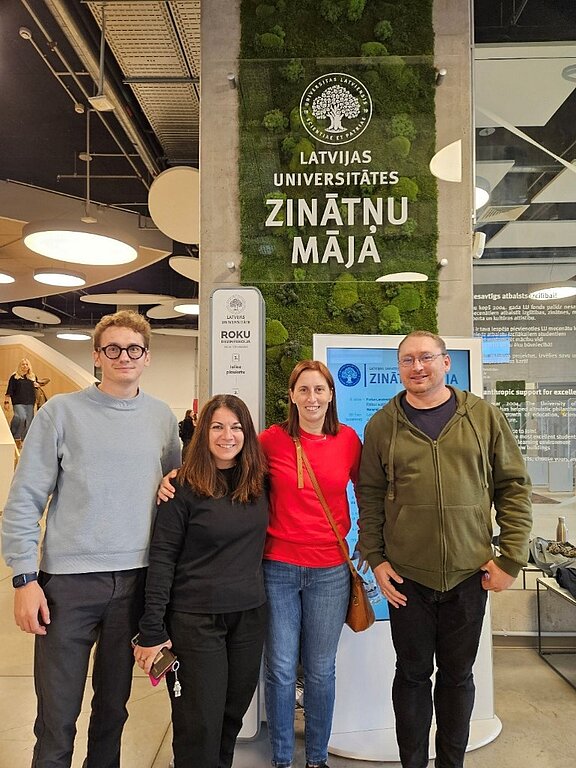
Two researchers from Ukravit Science Park LLC (USP) completed a month-long business trip to the University of Latvia (LU) in Latvia, conducting research in the field of sensor technologies, nanomaterials and molecular modeling. As part of the work project, Ms. Iryna Rospasiіenko and Ms. Dina Gusarova participated in activities aimed at collecting statistics for further analysis and improving the development and improvement of sensors for detecting metal ions.
During the visit, the optical research method was applied, knowledge of the principles of working with optical sensors was obtained. Photoluminescence of corn plant material samples in UV light was performed. Plant material samples were treated with a solution of copper (Cu) and iron (Fe) in different concentrations. The results were analyzed relative to a control sample of corn plant material. We also prepared ethanol extracts of all corn samples for testing the sensor system on real samples and prepared samples for comparative determination of element content by atomic emission spectroscopy with inductively coupled plasma in the laboratory of the UKRAVIT INSTITUT ZDOROVYA ROSLYN
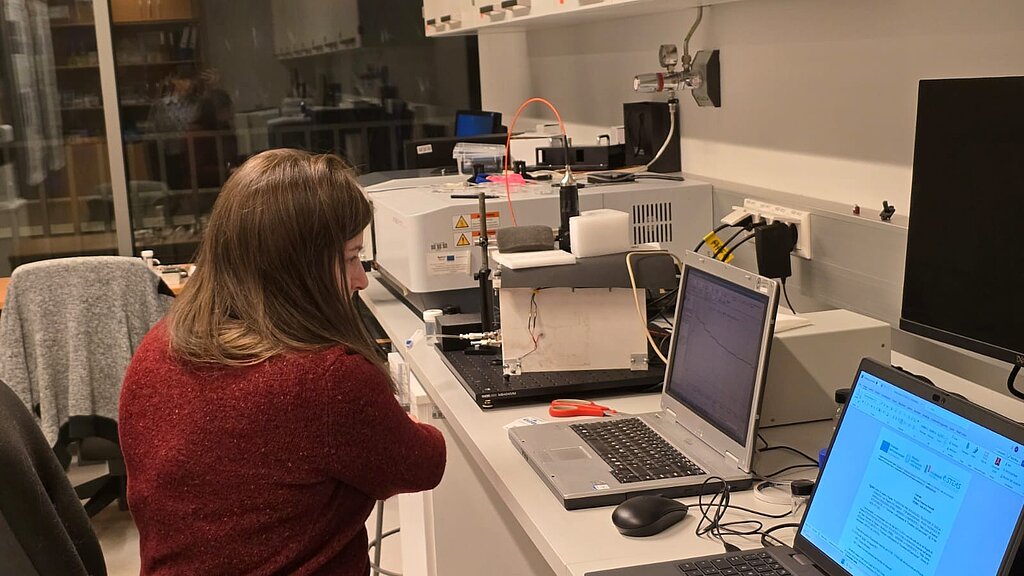
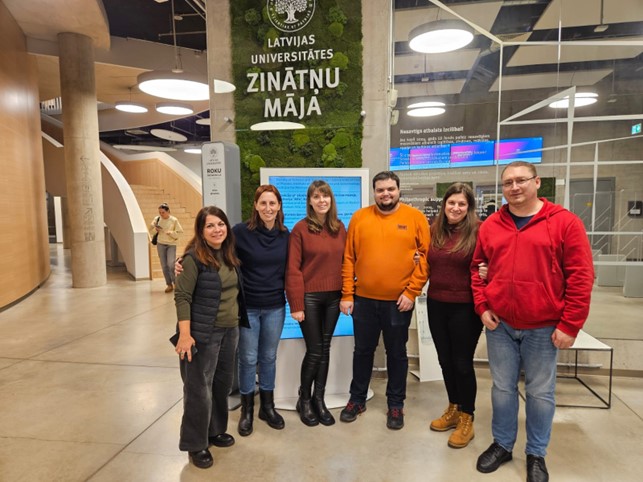
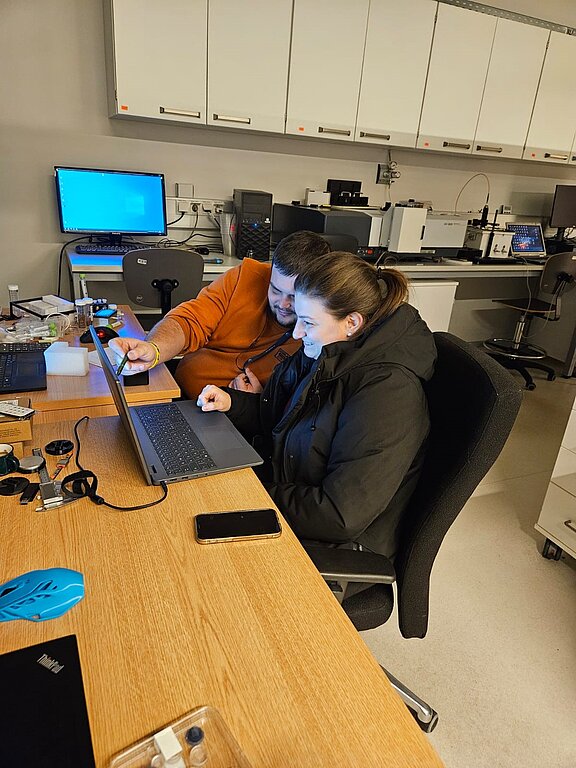
Dr. Ambra Fioravanti from the Institute of Science and Technology for Energy and Sustainable Mobility (STEMS) of the National Research Council of Italy (CNR) carried out a one-month secondment at the University of Latvia between November 2024 and February 2025.
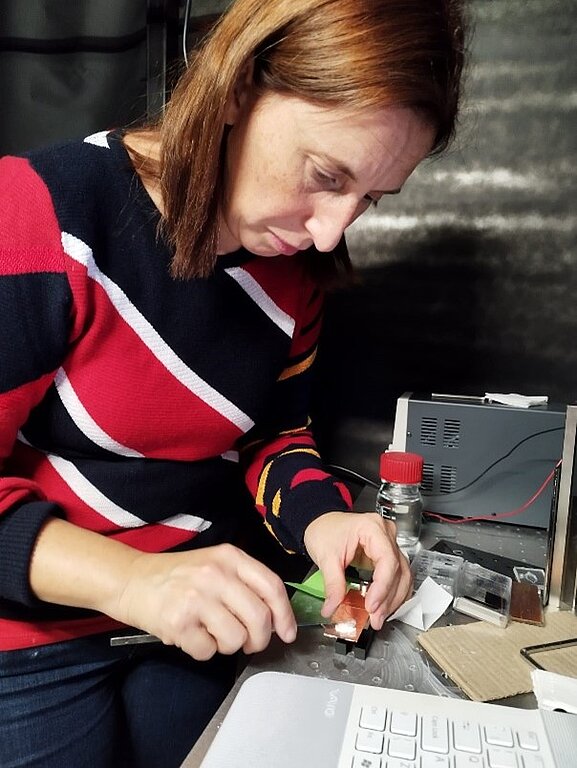
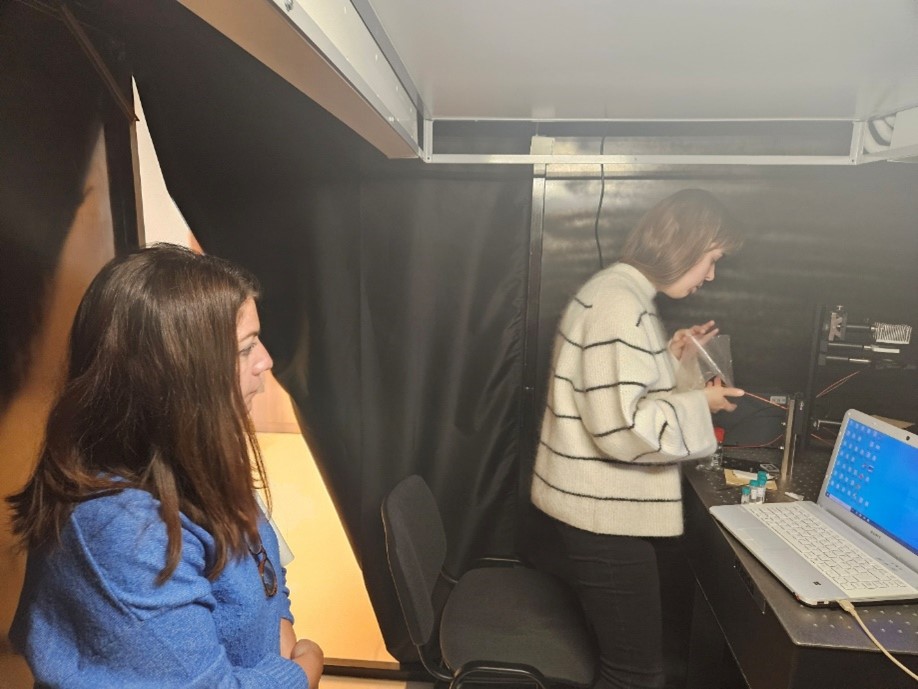
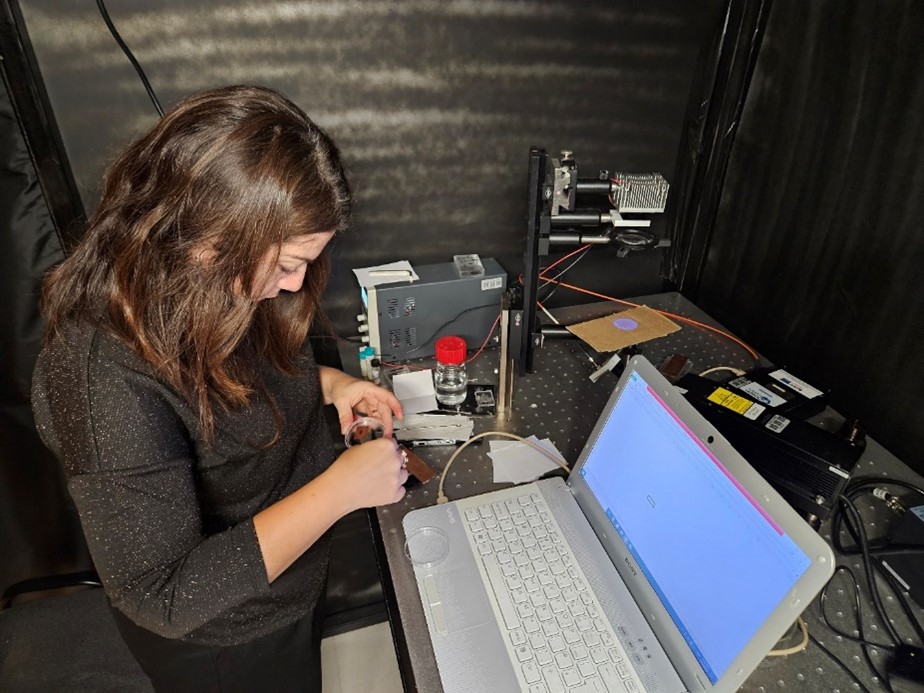
As part of Work Package 2 (WP2), during her secondment, Dr. Fioravanti received comprehensive training in the preparation of samples—based on MOF-ZnO compounds with varying ratios and on organic luminophores—as well as in the operation of experimental equipment for photoluminescence-based optical gas sensing measurements.
She prepared MOF-ZnO samples by dispersing the active powders in an ethanol solution, followed by deposition onto glass substrates via drop-casting. Subsequently, she performed photoluminescence measurements in air and in a static mixture of air and ammonia vapors.
Furthermore, she prepared solutions of organic luminophores and deposited active layers onto paper and filter materials using dip coating, in order to develop optical gas sensors based on organic luminophores. She also collaborated on improving the setup for optical gas sensing measurements and conducted preliminary tests using vapors of NH₃, HNO₃, and HCl as gas probes. These tests confirmed that optical gas sensors can be developed by using the above-mentioned active organic compounds.
Additionally, she participated in networking activities facilitated by Prof. Roman Viter, fostering professional connections and promoting interdisciplinary dialogue.
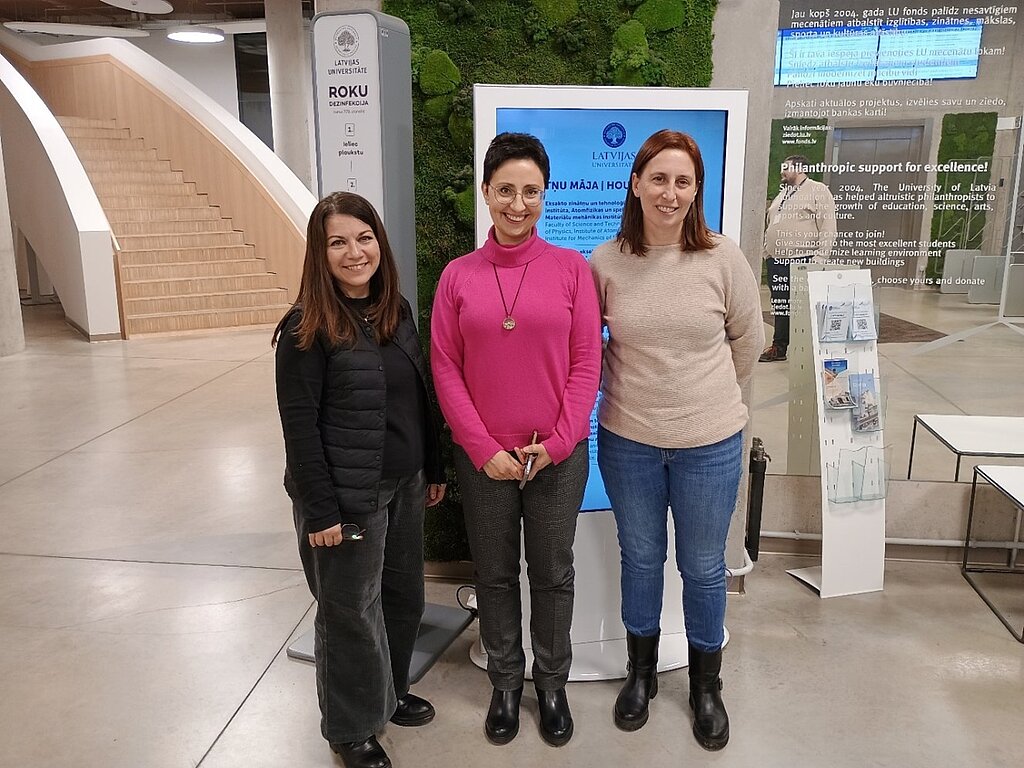
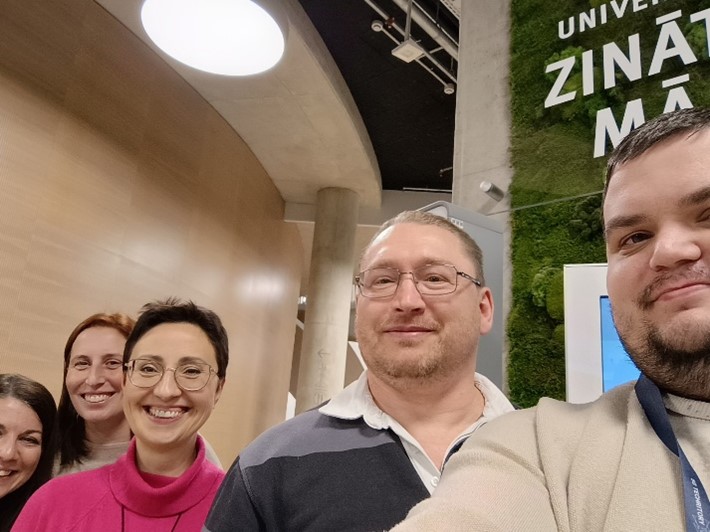
Dr. Michela Alfè and Dr. Valentina Gargiulo from the Institute STEMS of the National Research Council of Italy (CNR) carried out in total a month-long secondment at the University of Latvia between October and November 2024.
As part of Work Package 2 (WP2), Dr. Michela Alfè and Dr. Valentina Gargiulo during their secondment conducted photoluminescence spectroscopy measurements on MOF-based hybrid materials, gaining promising insights into the optical properties and potential applications of these materials. Furthermore, they received comprehensive training in the operation of the experimental apparatus, as well as in the preparation of samples for sensing tests. This combination of hands-on experimentation and skill development contributed to advancing the objectives of WP2 while enriching their technical expertise.
Dr. Michela Alfè and Dr. Valentina Gargiulo performed photoluminescence measurements at the University of Latvia (LU) on a variety of materials, including Zn-based MOF structures, MOF-derived oxides, and MOF hybrids (MOF@ZnO structures). They acquired room temperature PL spectra of ZIF8, Zn-HKUST-1 (HK), ZIF8@ZnO hybrids, HK@ZnO hybrids, ZnO from different ZIF structures and Time evolution of PL spectra of ZIF8@ZnO hybrids and HK@ZnO hybrids.
They further advanced their research by depositing a selection of MOF-based materials, including ZIF8@ZnO hybrids and HK@ZnO hybrids, onto plasma-treated glass substrates. Additionally, they conducted preliminary detection tests, focusing on ammonia gas (NH3) and metal ions, specifically cadmium (Cd²⁺), in solution.
On 4th October 2024, they participated in the SENS4CORN workshop, which was hosted at the University. Additionally, they took part in networking initiatives facilitated by Prof. Roman Viter, fostering professional connections and promoting interdisciplinary dialogue
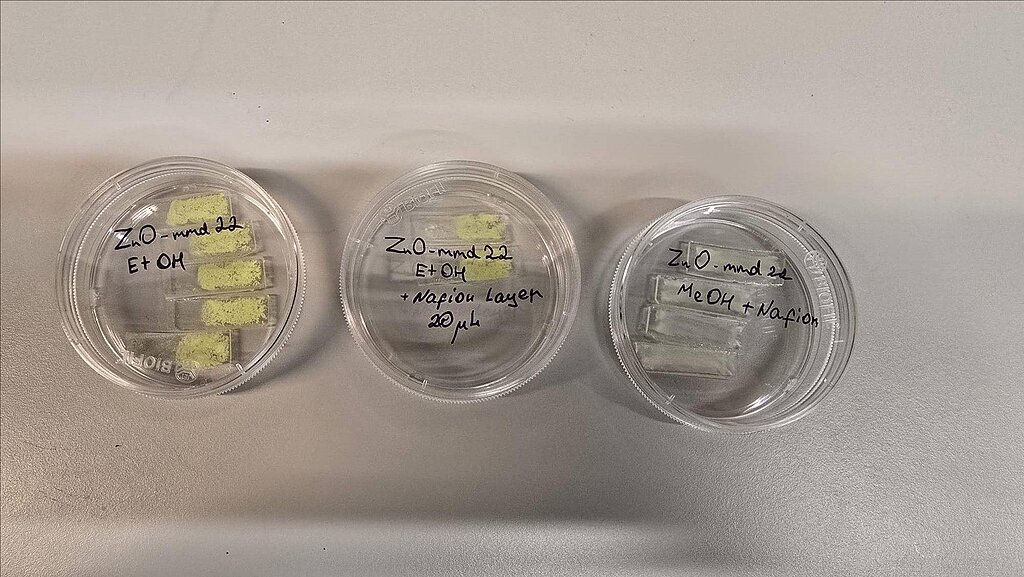

Greta Pilvenyte (Žvirzdinė), a team member of SensoGrafa (Vilnius), completed her secondment at the University of Latvia (LU) during the period from September 16, 2024, to February 26, 2025.
Mrs. Greta developed advanced training in preparing ZnO-mmd-22 nanocomposites with various layer deposition techniques, experimenting with ethanol, methanol, and nafion in diverse concentration ratios for better adhesion and less wash-out into the solvent during optical measurements. The work included assembling the optical setup and performing detailed optical characterization using photoluminescence and transmittance analysis. Also, polypyrrole (PPy) and polyaniline (PANI), polymers were layered with ZnO and CN (PPy-ZnO, PPy-CN, PANI-ZnO, PANI-CN) and prepared for further optical UV-Vis analysis aimed at sensing applications.
Through this hands-on experience, Mrs. Greta deepened her understanding of how different depositions impact the optical measurements and stability, gaining valuable knowledge in optical sensor fabrication.


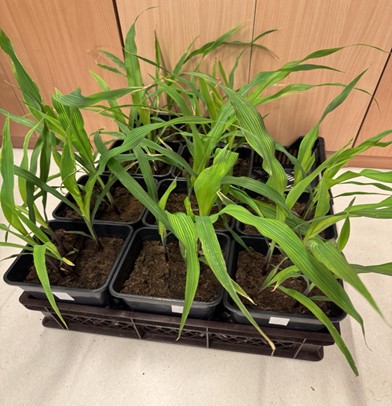
During Volodymyr Konohrai's two-month visit (07.09-06.11.2024) to the University of Latvia from Ukravit Science Park, work continued on mastering optical research methods. During the visit, corn plants were grown and studied. The corn plants were grown with different treatments for the leaf blades, including mineral fertilisers.
Volodymyr Konohrai actively participated in the research process.
After a certain period of time, the photoluminescence dependence of corn chlorophyll peaks on Fe and Cu concentrations was investigated. For the next stage of the study, corn extracts were prepared. Some of the plant samples were dried for mass spectrometry analysis.
He assisted with sensor measurements of salan-type ligands toward metal ions. Volodymyr Konohrai also participated in the annual Researchers' Night event at the University of Latvia.
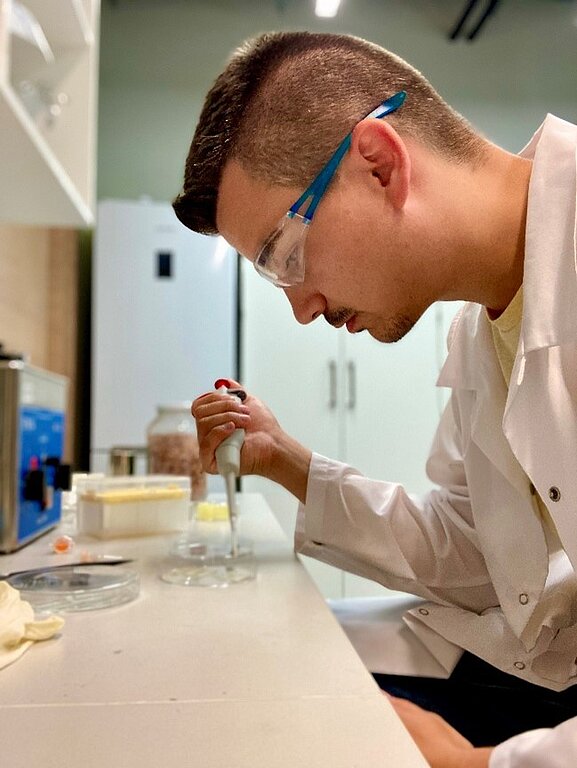
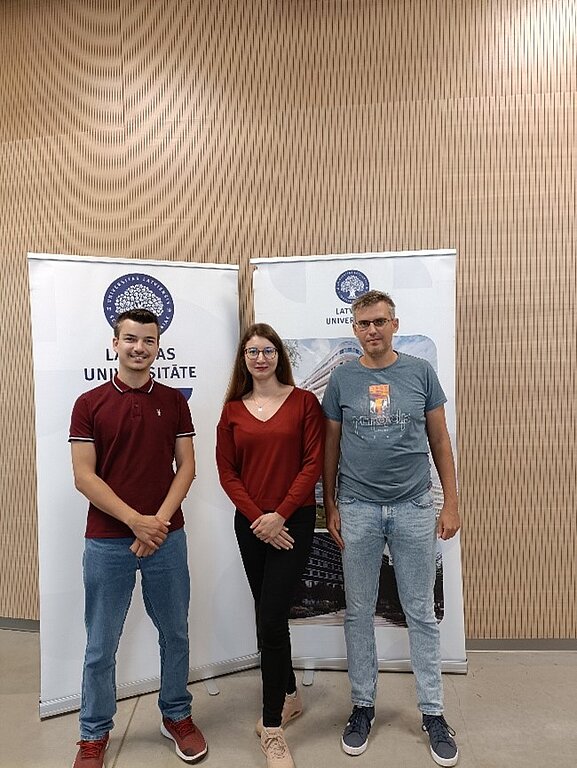



The secondments under the project occurred from September 2 to October 1, 2024. Three researchers participated, representing both experienced and early-stage research levels: Dr. Martin Sahul and Dr. Barbora Ludrovcová, both Experienced Researchers, and Mr. Marián Pavlík, an Early-Stage Researcher. Their participation enhanced international collaboration, boosted research capacities, and facilitated knowledge transfer among partner institutions.
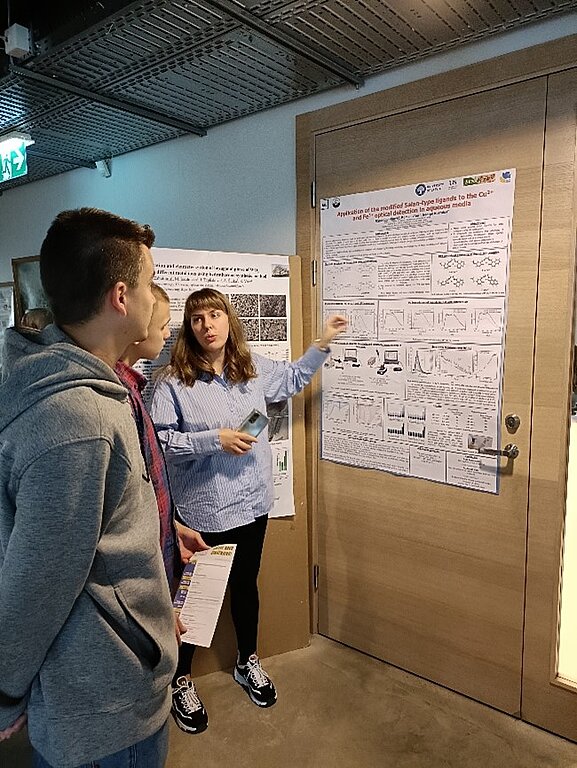
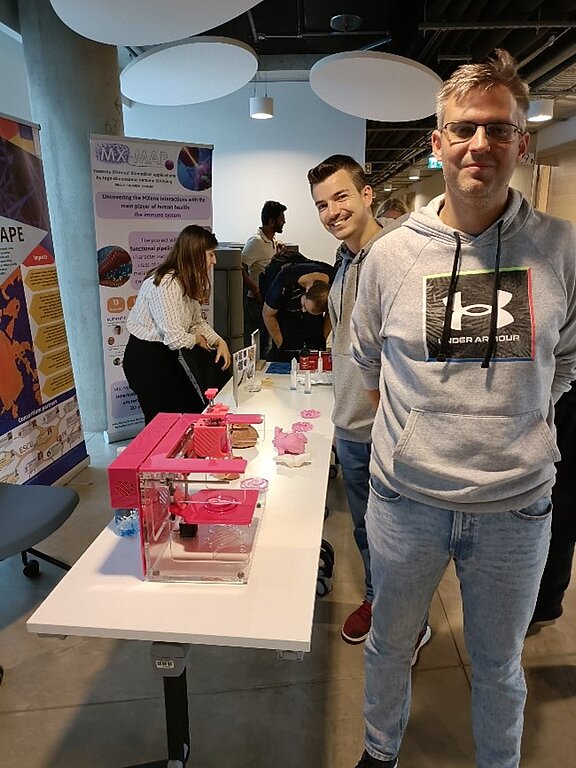
The researchers collaborated intensively during the secondment to advance research activities within the Horizon MSCA project framework. This period also allowed them to attend specialised training and acquire practical skills in advanced material characterisation and the production and development of nanosensors. Together, they participated in the Researcher's Night at the University of Latvia to disseminate results to the public.
Dr. Martin Sahul was oriented to the host institution's work plan and laboratory facilities, followed by hands-on training in assembling devices for optical measurements. He received practical training in creating ZnO nanocomposites using electrospinning and actively engaged in data processing with specialised software tools. Furthermore, he measured ZnO's selectivity towards metal ions (Li, Al, Cd, Zn, Mg, Pb) and its sensitivity to Cu and Ni. He also performed absorbance and FTIR measurements of ta-C (tetrahedral amorphous carbon) coatings.
Dr. Barbora Ludrovcová underwent a similar program, starting with an introduction to the work plan and laboratories. Her training emphasised assembling optical devices, preparing ZnO nanocomposites via electrospinning, and processing data. She conducted selectivity measurements for ZnO nanocomposites against various metal ions, including Cr, Co, Cu, Fe, Mn, and Ni, and assessed sensitivity to Cu and Ni. She also handled reflectance and FTIR measurements of ta-C coatings.
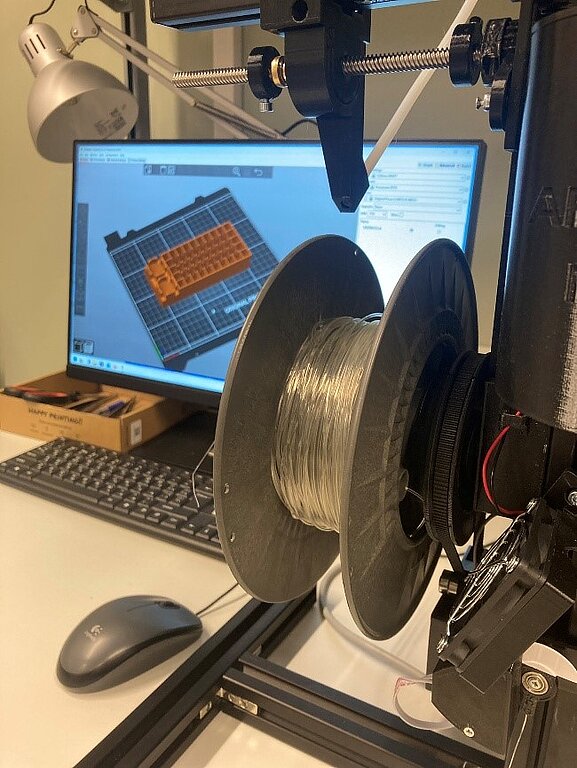
Mr. Marián Pavlík, the Early-Stage Researcher, followed a comparable training program. After an initial orientation, he acquired practical experience assembling devices for optical measurements and preparing ZnO nanocomposites through electrospinning. He focused on selectivity measurements of ZnO for Li, Al, Cd, Zn, Mg, and Pb ions. Additionally, he received specialised training in 3D printing and reverse engineering of polymer materials for biomedical applications and contributed to the absorbance and FTIR measurements of ta-C coatings.
This secondment period greatly contributed to the professional growth of all participants. It strengthened collaborative ties between institutions, establishing a robust foundation for future joint research within the Horizon MSCA framework.
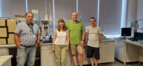

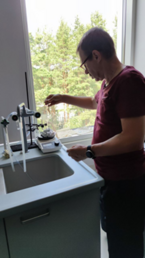
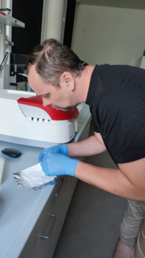
Three researchers from the University of Latvia (LU) have completed a month-long secondment at MB SensoGrafa in Lithuania, significantly advancing research in sensor technology, nanomaterials, and molecular modeling. As part of Work Package 2 (WP2), Mr. Vladislavs Baškevičs, Ms. Iryna Tepliakova, and Mr. Aleksandrs Kapralovs engaged in collaborative activities aimed at enhancing the development of advanced sensors for metal ion detection.
Vladislavs Baškevičs focused on modeling the properties of salen and other ligands using ab initio and molecular dynamics methods. He explored the creation of composite compounds with various polymers and zinc oxide (ZnO). By simulating interactions between these composites and metal ions in different solvents, he evaluated the chelating properties of the ligands. Calculations of ligand-cation binding energies were performed in both gas phase and solution. A ZnO surface featuring both charged and uncharged regions was generated, revealing that additional -OH groups in ligand S27 selectively bind to the charged ZnO surface. This binding optimizes the geometry for metal cation recognition and enhances sensor response due to ion concentration around the ZnO surface. His findings suggest that while salen-type ligands can coat non-polar polymer surfaces due to poor solubility, their salts are polar and do not facilitate surface coating, potentially affecting sensor performance.
Iryna Tepliakova investigated the sensory properties of trifluoroacetic acid (TFA)-modified salan-type ligands for detecting metal ions in ethanol and water. She determined how optical, photoluminescence (PL), and sensor properties depend on water pH and studied the aging of samples in aqueous environments. Additionally, she prepared ZnO-imine-based ligand composites and examined their self-assembly and sensitivity to metal ions. A new sample deposition method was confirmed during her work. She also conducted a lecture on optical characterization and analysis. Utilizing a dual-mode photochemical sensor testing method (transmittance and PL), she observed sensitivity and selectivity of TFA-modified acidic salen ligands with sulfur and oxygen groups toward Fe³⁺ and Cu²⁺ ions, calculating key sensor parameters. Measurements were performed in both water and ethanol, and the dependence of ligand optical properties on water pH was established. Experimental results were aligned with density functional theory calculations. Successfully synthesized ZnO-imine-based ligand (S27) composites showed sensitivity to a wide range of metals, including Fe³⁺, Al³⁺, Co²⁺, Ni²⁺, Mn²⁺, and Zn²⁺. The composite formation process was illustrated through molecular dynamics modeling.
Aleksandrs Kapralovs prepared, assembled, and tested a vacuum chamber for sublimation deposition methods. He deposited organic ligands—such as salen and imine types—and certain metal oxides onto various substrates. The stability of the obtained samples was tested using photoluminescence and diffuse reflectance spectroscopy, allowing him to determine optimal parameters for different sample types. Additionally, he participated in a master class on glass blowing. The new equipment developed during his secondment enables rapid, uniform deposition of solid samples onto various substrates and has been successfully put into operation.
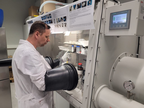
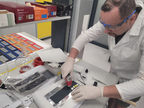
Mr. Arvīds Borovskis, a researcher from the University of Latvia (LU), has completed a series of collaborative visits to NanoWave in Poland and SensoGrafa in Lithuania during July and August 2024. His work focused on the synthesis and characterization of zinc oxide (ZnO) quantum dots and ZnO-ligand composite materials, contributing to advancements in nanotechnology and sensor applications.
Throughout the month-long exchange, Mr. Borovskis engaged in intensive laboratory work and training. At NanoWave, he received comprehensive instruction in laboratory procedures, chemical synthesis, and safety protocols. He prepared precursors and fabricated ZnO quantum dots with various parameters, investigating their optical properties using UV-Vis spectroscopy. This research provided valuable insights into the synthesis parameters that influence the properties of ZnO quantum dots.
During his visit to SensoGrafa, Mr. Borovskis focused on the preparation of ZnO-ligand composites in solutions with different properties. He took part in studying of the stability and precipitation of these composites in solution, a critical aspect that required meticulous attention.
The results of his research are currently being analyzed and summarized, with the expectation that they will contribute to future publications and innovations in nanomaterials and sensor devices.
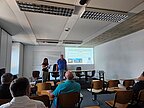
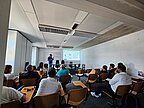
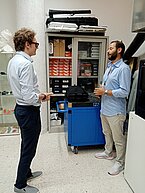
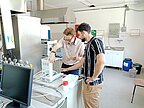
Researchers Dr. Roman Viter and Mr. Kārlis Grundšteins from the Institute of Atomic Physics and Spectroscopy at the University of Latvia (LU ASI) have successfully completed a month-long secondment at the National Research Council (CNR) in Italy. From June 28 to July 27, 2024, they engaged in intensive training and collaborative research focused on the fabrication and characterization of Metal-Organic Frameworks (MOFs) and ZnO-MOF composites.
The primary goal of their visit was to enhance their expertise in the synthesis and characterization of MOFs and ZnO-MOF composites—materials with significant potential in environmental sensing and nanotechnology. Upon arrival, they familiarized themselves with CNR's laboratories and production processes, receiving essential safety training and an introduction to advanced MOF synthesis techniques.
Throughout their secondment, Dr. Viter and Mr. Grundšteins successfully fabricated three types of ZnO-MOF composites: ZnO-ZIF-8, ZnO-ZIF-7, and ZnO-HKUST. They conducted comprehensive structural analyses of these samples using Fourier Transform Infrared (FTIR) spectroscopy, Raman spectroscopy, Scanning Electron Microscopy (SEM), and X-ray Diffraction (XRD). Their research included studying the role of different ZnO to MOF precursor ratios on the properties of the composites, providing valuable insights for optimizing material performance.
On July 17, 2024, Dr. Viter delivered a scientific seminar titled "Development, Characterization, and Transfer of Optically Active Nanocomposites for Sensors and Environmental Applications," sharing their findings and fostering knowledge exchange between the institutions.
The synthesized samples will undergo further optical spectroscopy studies at the University of Latvia, where the researchers will evaluate their sensor capabilities for detecting metal ions. This work holds promise for developing advanced sensors for environmental monitoring and analytical applications.

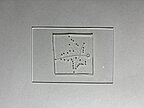
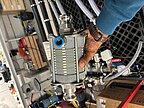
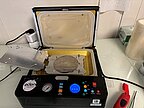
From June 7 to July 6, 2024, Ms. Vanesa Lukinsone participated in a collaborative initiative under Work Package 1 (WP1), aimed at fostering research and providing specialized training opportunities between LU ASI and EDEN TECH.
During her time at EDEN TECH, Ms. Lukinsone received comprehensive training in the design and production of microfluidic chips at the company's state-of-the-art production facility. She studied and observed the movement of liquids within microfluidic channels, analyzing the speed and sequence in which channels are filled. This understanding is crucial for optimizing chip performance in various applications.
A significant accomplishment was the design and testing of a new chip modification suitable for water purification that incorporates simultaneous ultraviolet (UV) irradiation. This innovative chip utilizes zinc oxide (ZnO) nanostructures and organic luminophores to effectively identify and remove pollutants from water sources.
As a result of her work, a multi-layered prototype featuring an internal irradiation system was developed. Multiple design options were considered, and one of the prototypes was successfully tested, demonstrating its potential for efficient water purification and pollutant detection.
Ms. Lukinsone's secondment has contributed to advancements in microfluidic chip technology, particularly in environmental applications such as water purification. The collaboration between LU ASI and EDEN TECH strengthens the ties between the institutions and paves the way for future innovations in microfluidics and nanotechnology.
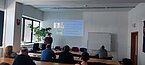

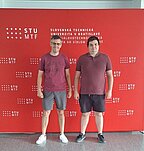
Within the framework of the Sens4Corn project, in June-July 2024, team member from University of Latvia (LU) Viktor Zabolotnii visited Slovak Technical University (STU). During visit were investigated structural properties of materials, provided seminar “ASI LU Optical biosensors and functional nanomaterial laboratory possibilities and perspectives” for employes and students of STU to strengthen cooperation and level of awareness about the project among Slovak colleagues. Received trainings in structural properties measurements (SEM, EDS, XRD, XPS, UPS, Raman, TEM), visited workshops in STU and received information about novel methods of analysis of modern materials using 3D scanning methods.
The results obtained during the mobility visit will be approved at conferences, a joint publication is planned, they will be used as a basis for future projects
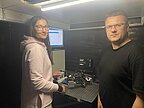

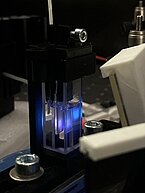
From May 19 to September 6, 2024, Ms. Greta Pilvenytė participated in a collaborative initiative aimed at fostering research and providing specialized training opportunities. Her work focused on advanced methods such as optical spectroscopy—including UV-Vis photoluminescence (PL), UV-Vis-NIR absorbance, diffuse reflectance, transmittance—and Fourier Transform Infrared (FTIR) spectroscopy.
During her secondment, Ms. Pilvenytė received comprehensive training in optical measurements, including PL, diffuse reflectance, and FTIR spectroscopy. She developed skills in nanocomposite preparation, creating composites and investigating their optical properties. She assembled optical systems for sensor measurements using photoluminescence and conducted preliminary testing of nanocomposites through both photoluminescence and transmittance methods.
Her research involved testing the selectivity and sensitivity of imine-based ligands and ZnO-imine-based ligand nanocomposites. She discovered that the sensors exhibited the highest sensitivity to zinc (Zn) ions. Additionally, she received training in calculating sensor parameters and prepared a primary draft of a publication detailing her research findings.
Throughout the visit, Ms. Pilvenytė facilitated knowledge exchange by conducting training sessions in electrochemical measurements, sharing expertise from MB Sensografa. In return, she gained valuable insights into optical investigations, nanocomposite preparation, and optical sensor development from the team at the University of Latvia.
This collaborative effort has significantly enhanced her technical skills and contributed valuable insights into sensor technology. The secondment has strengthened ties between MB Sensografa and the University of Latvia, promising future advancements in nanotechnology and material sciences.
From May 1 to May 31, 2024, Mr. Karlis Grundšteins participated in a collaborative initiative under Work Package 1 (WP1) aimed at fostering research and providing specialized training opportunities between LU ASI and EDEN TECH.
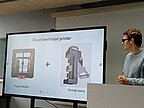
Mr. Grundšteins began by familiarizing himself with EDEN TECH's laboratory and production processes, gaining valuable insights into the development of microfluidic chips, polymers, and water purification equipment. He mastered the use of FLUI’DEVICE software for microfluidic chip design, enabling rapid prototyping through efficient simulation and design capabilities.
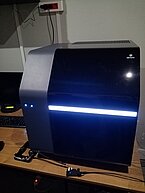
He acquired hands-on experience with the Flexdym polymer and the Sublym embossing equipment, learning how to adapt Flexdym for 3D-printed microfluidic chip development. This expertise allowed him to design and develop chips specifically for water purification purposes.
Additionally, Mr. Grundšteins successfully transferred FLUI’DEVICE projects to casting, embossing, and 3D printing technologies. He created and printed test microfluidic chips using Flexdym and polypropylene (PP) polymers. His work also included gaining knowledge in applying microfluidic chips for manipulating large volumes of liquids, which is significant for industrial and environmental applications.
The secondment concluded with Mr. Grundšteins presenting his research and findings to EDEN TECH and at the Université Paris Cité, fostering further collaboration and knowledge exchange.
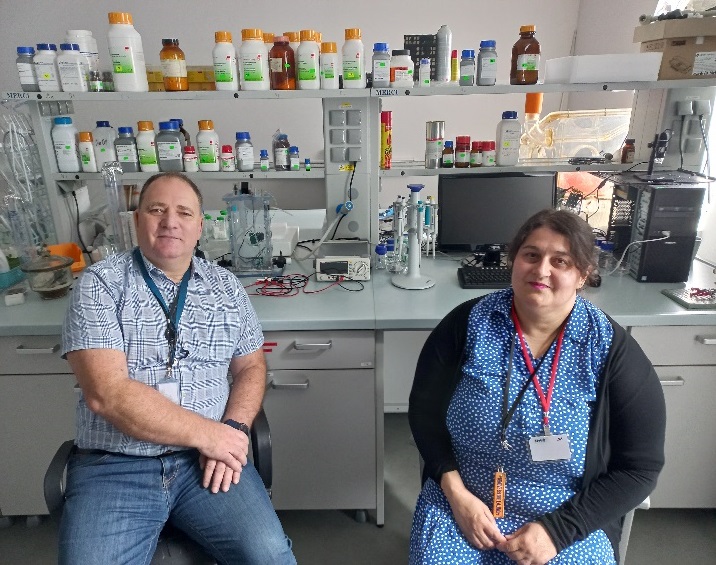
From 1 to 31 May Dr. Teodora Kirova visited the SME “SensoGrafa” in Vilnius, Lithuania, led by Prof. Arunas Ramanavicius.
The scientific activities included mutual introduction of the visitor and the host by discussions of their expertise and current research directions, as well as a tour of the experimental setups. Work was started on the theoretical and numerical side of WP2 "Fabrication of ZnO-SB and ZnO-MOF with tunable structure, electronic, optical and sensitive properties”, by extensive literature search about MOFs (Metal Organic Frameworks), their properties and applications as sensors in different fields, e. g. food, environmental control, and biomedical purposes. Special focus was made on the theoretical, as well as numerical methods for investigation and prediction of the MOFs properties. Further, Dr. Kirova received training on using the quantum chemistry software GAUSSIAN (www.gaussian.com), together with the visualization program AVOGADRO (https://avogadro.cc/), and how to perform quantum chemistry calculations, e. g. geometry optimization, calculations of UV-VIS, FTIR, and Raman spectra. From this point of view Dr. Kirova participated also in the WP1 “Training of early stage, experiences researchers, technicians and management staff”. In the last week of the secondment the visitor together with the host discussed the analysis of the theoretically calculated MOF spectra and their comparison with the experimental measurements. A plan for continued cooperation was also made having in mind the importance of the numerical design of MOF properties of in order to achieve the desired sensor performances.
18/04/24-02/05/24, 12/05/24-11/06/24, 16/06/24-21/06/24
Dr. Simonas Ramanavičius, an Early Stage Researcher from MB SensoGrafa in Lithuania, has been engaging in multiple collaborative visits throughout 2024 to the Laboratory of Optical Biosensors at the University of Latvia. His work focuses on the optical characterization of metal oxides applicable for sensing micro and macro elements, contributing significantly to the SENS4CORN project
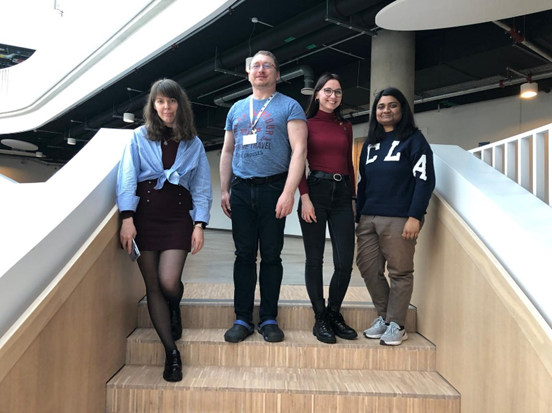
From March 11 to May 10, 2024, Ms. Debleena Mandal, a PhD student, is participating in a two-month secondment at the Institute of Atomic Physics and Spectroscopy at the University of Latvia. Her work focuses on studying the optical properties of newly synthesized compounds and their composites with ZnO tetrapods. She investigated optical properties such as diffuse reflectance and photoluminescence in the range of 350–800 nm for different ligands. Additionally, she analyzed the sensitivity of Schiff base compounds and ZnO nanocomposites towards metal ions, determining the selectivity and detection limits of the sensors.
Her findings revealed that the fluorescence sensing abilities of the compound L1.MeOH were sensitive to Zn²⁺, Cu²⁺, Al³⁺, Mg²⁺, Co²⁺, and Mn²⁺ ions, while L1.EA was sensitive to Zn²⁺, Cu²⁺, and Al³⁺ ions. She also synthesized composites of ligands L1.MeOH and L1.EA with ZnO tetrapods in different ratios (1:5, 1:10, 1:20) and characterized them using power-dependent and temperature-dependent photoluminescence.
Concurrently, from March 11 to April 10, 2024, Ms. Dominika Jankowska, also a PhD student at Nicolaus Copernicus University, is undertaking a one-month secondment at the same institute. Her research focuses on the optical properties of newly synthesized compounds and their thin materials, such as ZnO nanofiber/Schiff base composites and Zn(Schiff base)/Si. Her studies aim to evaluate the potential use of these compounds in OLED and photovoltaic devices.
She conducted investigations involving diffuse reflectance measurements and photoluminescence emission studies. The fluorescence sensing abilities of the compounds and composites towards Zn²⁺ and Mg²⁺ ions were evaluated. Experimental results showed that the ZnO-L1 composite could sensitively detect Zn²⁺ ions at λ=427 nm (Δλex=4 nm, Zn²⁺ concentration ranging from 0 to 4 μM) and Mg²⁺ ions at λ=427 nm (Δλex=2 nm, Mg²⁺ concentration ranging from 0 to 32 μM). Dr. Roman Viter's expertise in optical physics greatly contributed to her research experience.
Both secondments are part of the Horizon Europe Framework Programme (HORIZON) project: “Novel optical nanocomposite sensors for analysis of micro and macro elements in corn plants (SENS4CORN).” This initiative fosters international collaboration among scientists from Latvia, Italy, Slovakia, Ukraine, France, and Lithuania, significantly impacting the search for new sensory materials.
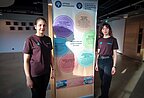

From January 30 to March 2, 2024, Ms. Iryna Yakymenko, a chemist, and Ms. Marharyta Trokhymets, a biologist, participated in a collaborative initiative aimed at fostering research and providing specialized training opportunities.
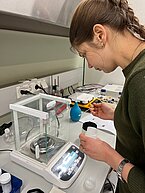
During their secondment, the researchers were introduced to the principles of measuring fluorescence in a dark box using light sources with varying intensities. They imported and cultivated corn samples under different feeding conditions for measurement purposes, including samples inoculated with the fungus Fusarium spp. This work is significant for understanding plant health and developing sensors for agricultural monitoring.
They also studied the absorption properties of imine-based ligands with modified backbones and conducted multi-test studies to observe reactions with individual metals such as iron, cobalt, nickel, and copper. This research contributes to the development of sensitive detection methods for metal ions in environmental samples.
In addition to their laboratory work, Ms. Yakymenko and Ms. Trokhymets participated in the workshop "Chemical Sensors: Nanomaterials, Measurement Methods, and Prototyping," where they presented on the "Recent Situation with Sensors in Agriculture." They also engaged with the broader academic community by participating in the "L-Universs" LU Study Festival.
continued from 2023 (Iryna Perekhrest and Dina Husarova)