
 CONFERENCE
Michela Alfe and Valentina Gargiulo


Two researchers from the Institute of Agricultural Resources and Economics (AREI, Latvia), Ms. Inga Šarenkova and Ms. Kitija Ulme, successfully completed a one-month secondment at Augmented Reality for Commercial and Didactical Applications (ARCADIA, Italy) within the HORIZON-MSCA-2021-SE-01 project SENS4CORN (Novel optical nanocomposite sensors for analysis of micro and macro elements in corn plants).
The visit was organized under Work Package 1 (WP1) and aimed to strengthen cooperation between AREI, the University of Latvia, ARCADIA, and partner universities in Naples through training in IoT, AR technologies, and sensor data analysis.
Inga Šarenkova focused on the technical and analytical aspects of IoT/AR system integration.
During her stay, she participated in seminars and laboratory sessions at ARCADIA, CeSMA (Advanced Metrological and Technological Services Center), and partner universities (University of Naples Federico II, University of Naples Parthenope). Conducted sensor installation, calibration, and real-time AR data visualization experiments in MITlab (Measurement Laboratory for Mechatronics and Technological Innovation). Performed data processing and statistical analysis to compare sensor readings with reference methods, identifying optimization opportunities for signal accuracy and stability. Contributed to the organization of seminars, including a presentation on “Agricultural Sustainability – By-Product Valorization”, representing AREI’s expertise in sustainable resource use. Her work deepened understanding of how AR visualization and IoT data streams can support agricultural monitoring and environmental control systems. The acquired results will be applied to future development of sensor-based platforms within AREI and the Sens4Corn network.
Kitija Ulme’s activities concentrated on biological and agronomic data integration within sensor and AR environments. She participated in a seminar with ARCADIA and university researchers from the University of Naples Federico II, the University of Naples Parthenope, presenting “Molecular Biology and Its Role in AREI”. Studied IoT/AR applications for biological data visualisation, focusing on how molecular and biochemical indicators could be linked to sensor-based monitoring of crop systems. Took part in practical sessions on data acquisition and system calibration alongside Inga Šarenkova, gaining skills in data handling, error analysis, and visualisation improvements. Discussed use cases for smart agriculture, emphasizing integration of biosensor information into AR environments for field diagnostics and training. Her contribution strengthened the bridge between biological research and technological development, highlighting the multidisciplinary potential of Sens4Corn


Mr. Claudio Clemente from the University of Naples Federico II carried out a month-long secondment at the Slovak University of Technology in Bratislava (STU) between September and October 2025.
As part of Work Package 2 (WP2), during his secondment Mr. Clemente focused on the morphological and structural characterization of MOF-based and MOF-derived materials using Scanning Electron Microscopy (SEM), Energy Dispersive Spectroscopy (EDS), Transmission Electron Microscopy (TEM), and X-ray Diffraction (XRD).
Throughout the secondment, Mr. Clemente received extensive training in the operation of these experimental techniques, including sample preparation, measurement procedures, and data analysis. This hands-on experience significantly contributed to the objectives of WP2 and to the enhancement of his technical expertise in material characterisation.
Dr. Clemente actively assisted in SEM-EDS and XRD analyses performed on a wide range of materials, including pristine MOFs, MOF@ZnO hybrid structures, and MOF-derived oxides. The investigated samples comprised ZIF8, ZIF8@ZnO hybrids with different ratios (1:4, 1:6, 1:8), ZnO obtained from ZIF8 and ZIF8@ZnO, MIL101(Fe) and its derived Fe₂O₃, MIL125(Ti) and its derived TiO₂, as well as ZIF71 and ZIF71@ZnO hybrids prepared with different ratios (1:4, 1:6, 1:8). Furthermore, hybrid structures containing silver, such as Ag@ZnO from Ag@ZIF8 and Ag@TiO₂ from Ag@MIL125(Ti), were also examined.
In addition, TEM characterization was carried out on ZIF8@ZnO (1:6) hybrids, providing deeper insight into the nanoscale structure and interface between the MOF and oxide components.
The activities conducted during this secondment fostered knowledge transfer between UNINA and STU, strengthening collaboration on advanced material characterisation within the SENS4CORN consortium. Moreover, this exchange promoted the establishment of future joint publications and international research initiatives related to the optical and sensing applications of MOF-based hybrid materials.


Researcher Dr. Erika Rajackaitė from Institute of Materials Science of Kaunas University of Technology (Lithuania) has completed a month-long secondment at an academic spin-off ARCADIA of University of Naples Federico II (Italy).
According to Work Package 1 (WP1), the purpose of the visit was to acquire theoretical and practical knowledge in the design and development of microfluidic systems using advanced additive manufacturing techniques, as well as to promote international collaboration and knowledge exchange with ARCADIA in the fields of bioinspired design and functional material development.
During the secondment dr. Erika Rajackaitė gained in-depth understanding of microfluidic system design and development using advanced additive manufacturing techniques. Researcher obtained hands-on experience with robotic 3D printing and simulation tools for microfluidic and composite systems, developed skills in interpreting experimental data and modelling complex systems. Principles of material synthesis and characterisation, including gels, hydrogels, and semi-interpenetrating polymer networks (s-IPNs) were learned and best practices in process optimisation, experimental design, and mechanical/rheological analysis were adopted. As a result, collaborative ties with ARCADIA researchers in the fields of bioinspired design and functional materials were established
Simas Rackauskas
Sarunas Jankauskas and Gvidas Klyvis
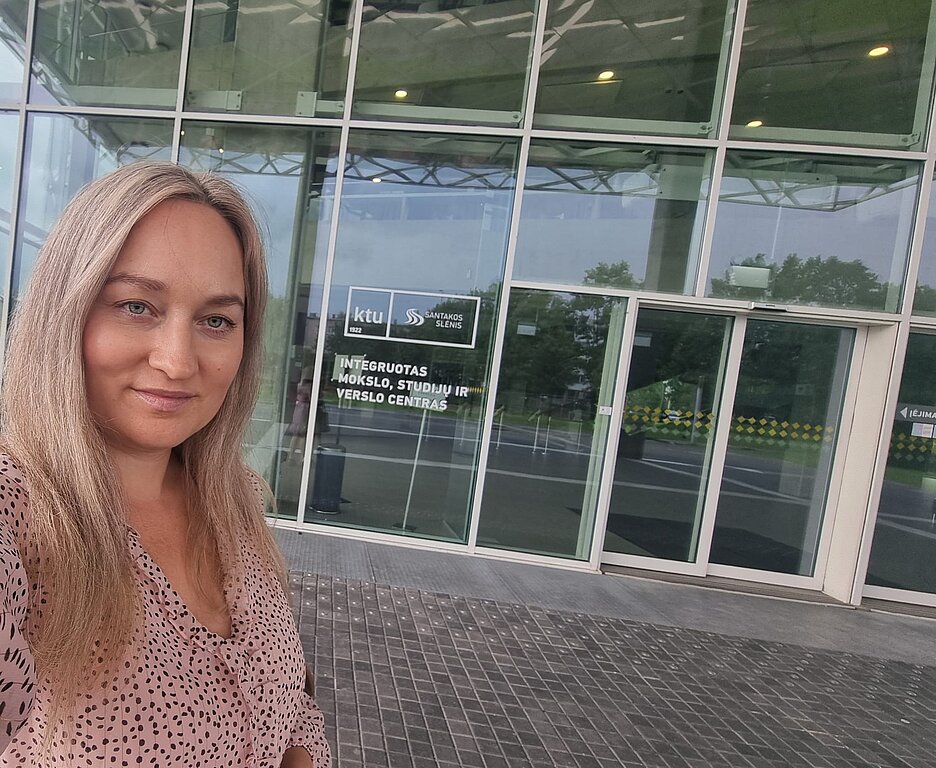
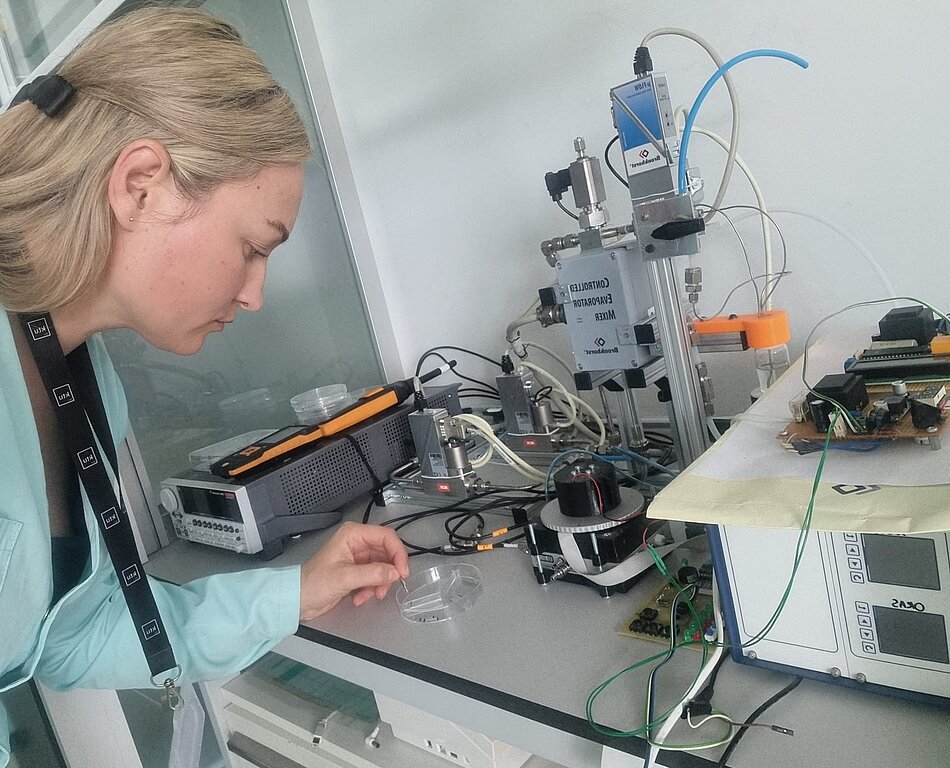
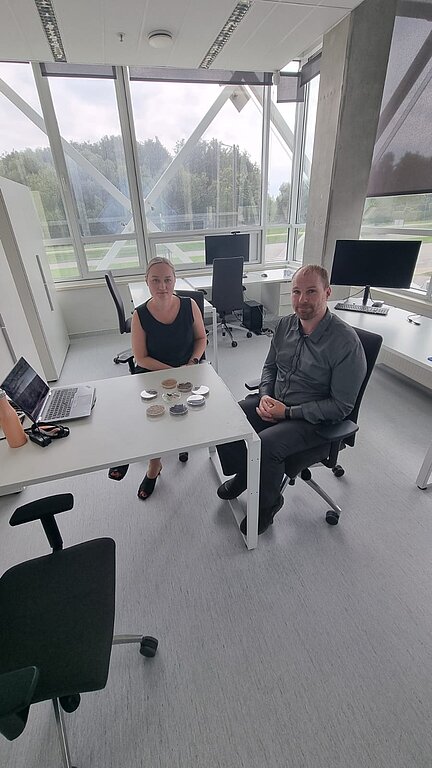
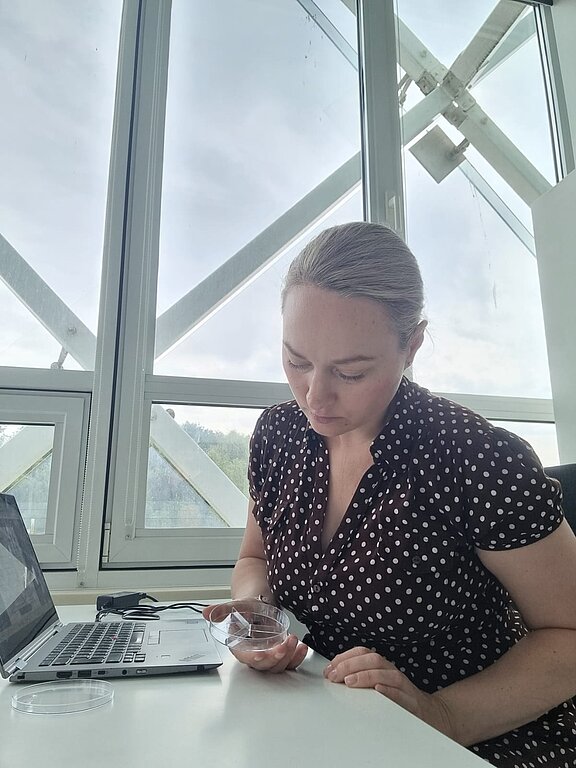
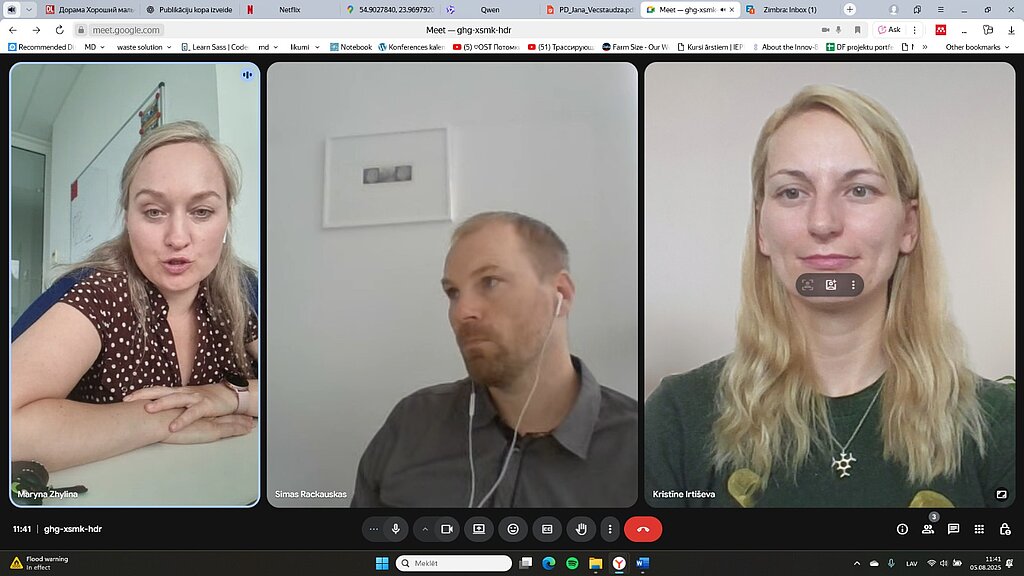
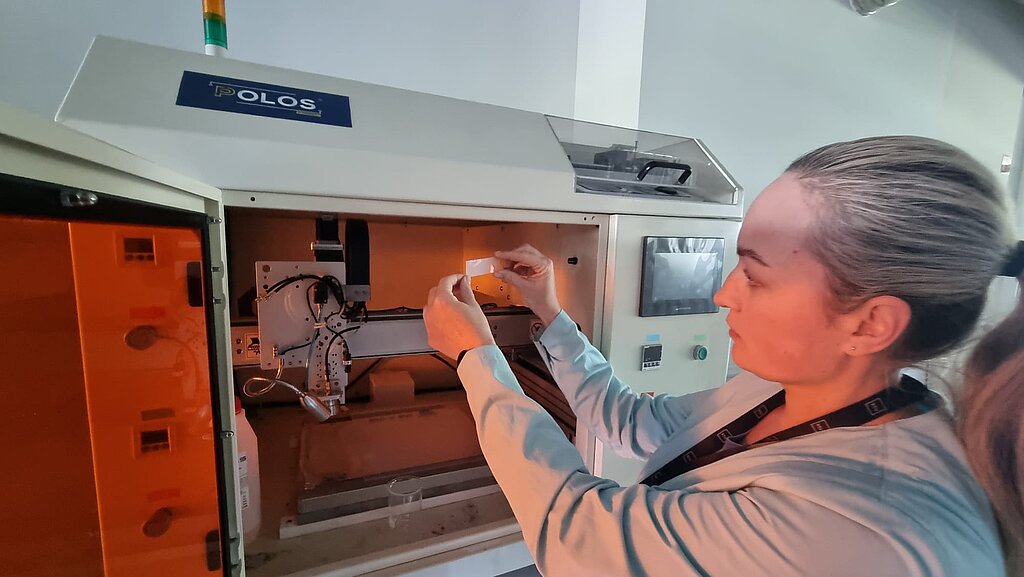
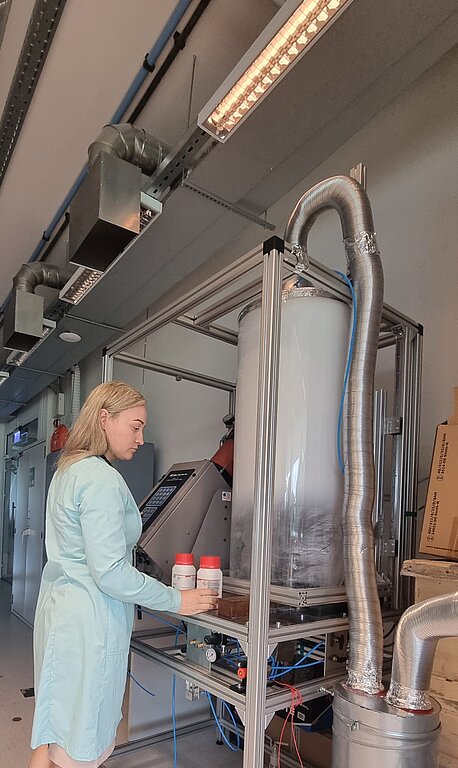
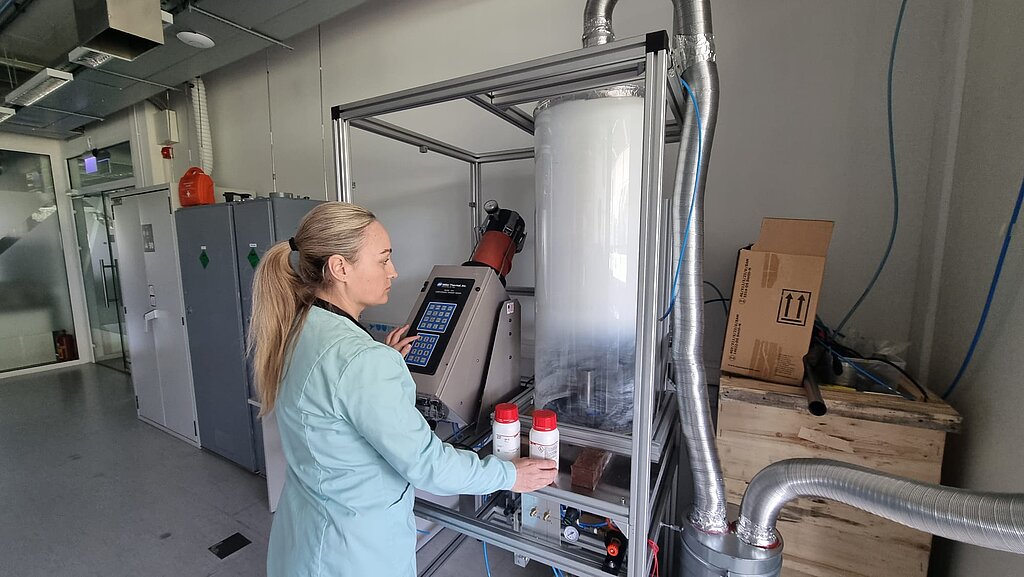
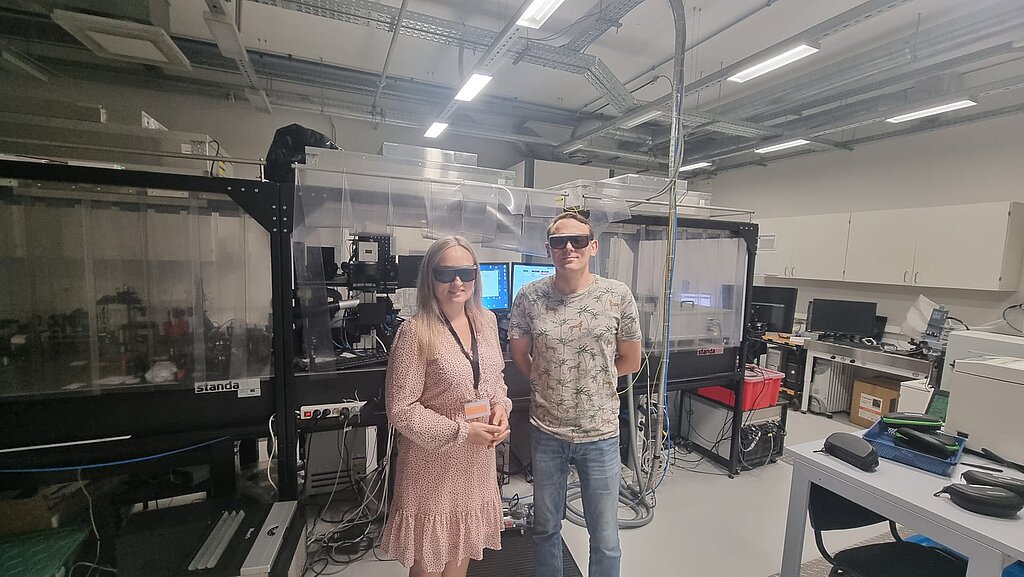
One researcher from the Institute of Agricultural Resources and Economics (AREI) have completed a month-long secondment at Kaunas University of Technology in Lithuania, significantly advancing research in zinc oxide (ZnO) nanomaterial synthesis and their potential applications in sensor technologies. As part of Work Package 2 (WP2). Ms. Maryna Zhylina engaged in collaborative activities focused on the synthesis, characterization, and evaluation of zinc oxide (ZnO) nanomaterials to explore their potential applications in advanced sensor technologies.
Maryna Zhylina conducted an in-depth study of zinc oxide (ZnO) nanomaterials, focusing on their synthesis, structural characterization, and potential use in sensor technologies. She mastered the preparation of ZnO tetrapod nanostructures through repeated synthesis cycles to ensure reproducibility and analysed possibilities for optimizing the synthesis process. The obtained ZnO samples were examined using digital microscopy to determine their morphological and physico-chemical properties. Based on the collected data and literature review, she evaluated the potential applications of ZnO nanomaterials in developing advanced sensor systems and outlined directions for further improvement of synthesis and characterization methods
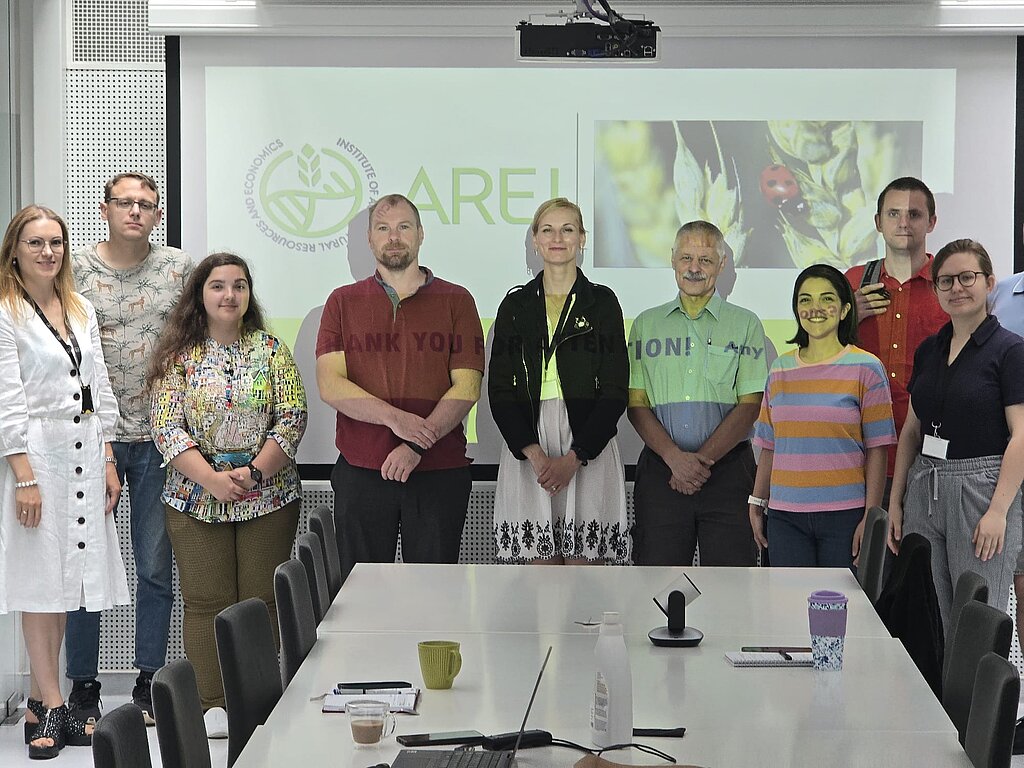
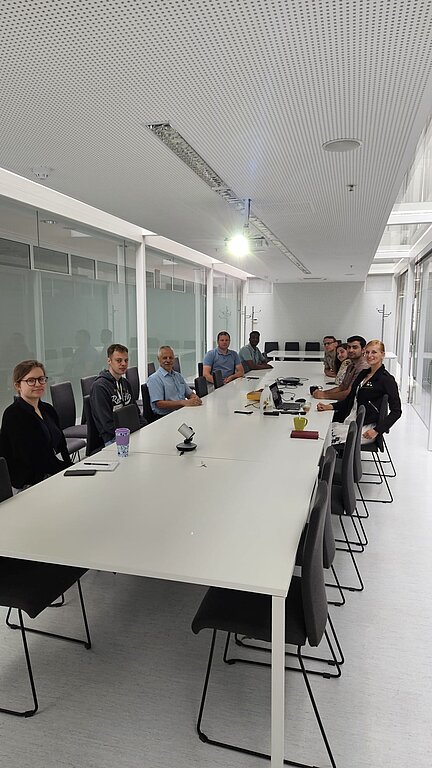
One researcher from the Institute of Agricultural Resources and Economics (AREI) have completed a month-long secondment at Kaunas University of Technology in Lithuania, contributing to research on zinc oxide (ZnO) nanomaterials and their potential applications in environmental and agricultural technologies. As part of Work Package 2 (WP2), Ms. Kristīne Irtiševa engaged in collaborative activities focused on the synthesis, analysis, and optimization of ZnO nanostructures to enhance their functionality and applicability in sustainable systems.
Kristīne Irtiševa carried out a comprehensive study on the synthesis and characterization of ZnO nanomaterials, mastering the preparation of reproducible ZnO samples through multiple synthesis cycles. She evaluated synthesis efficiency and explored possibilities for process improvement. The obtained samples were analysed using digital microscopy to assess their morphological and physico-chemical properties. Based on her findings, she identified potential applications of ZnO nanomaterials in soil improvement, water treatment, and other environmentally oriented technologies, contributing to the advancement of sustainable nanomaterial research
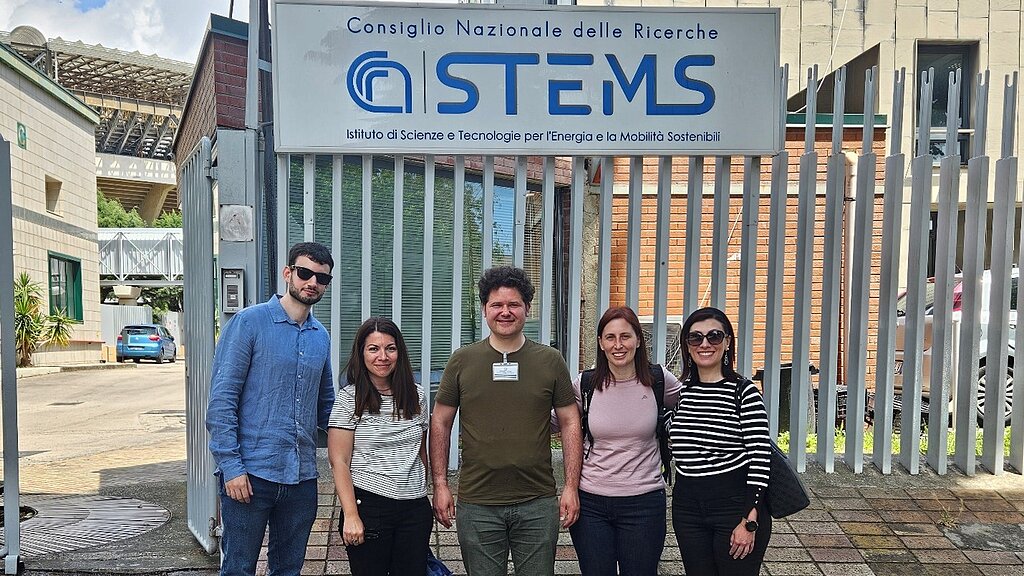
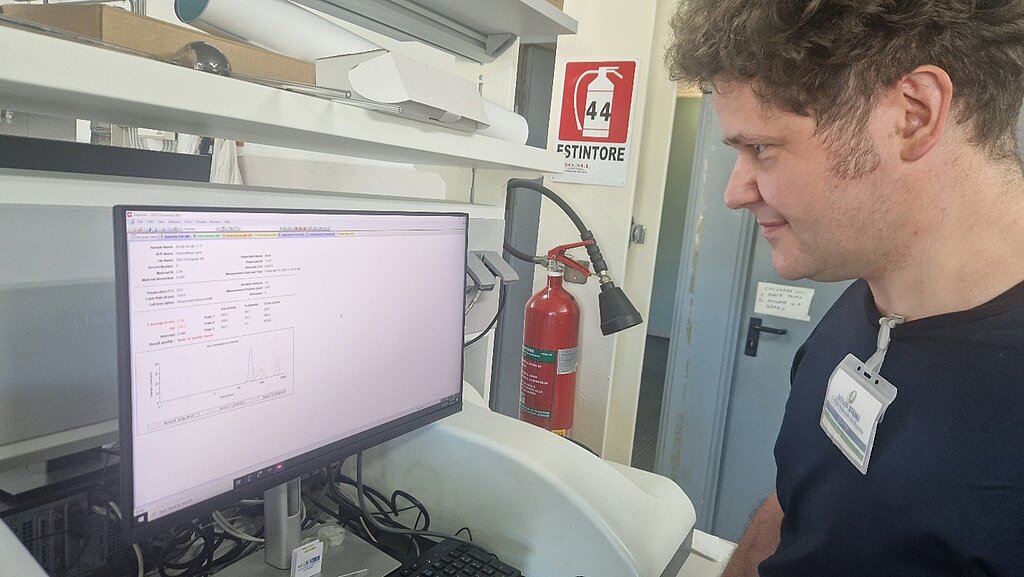
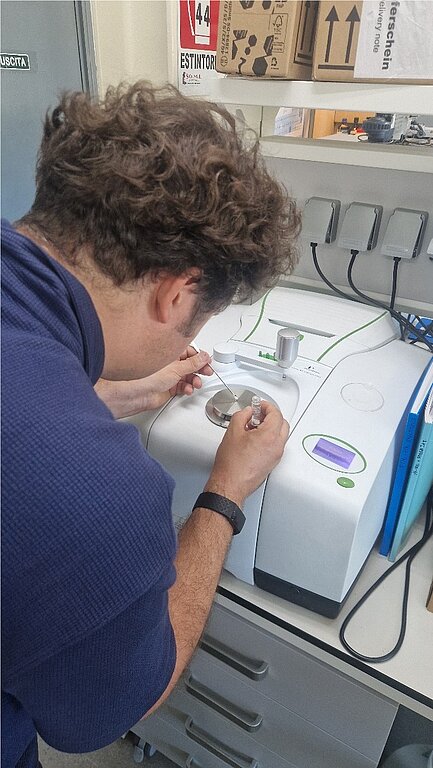
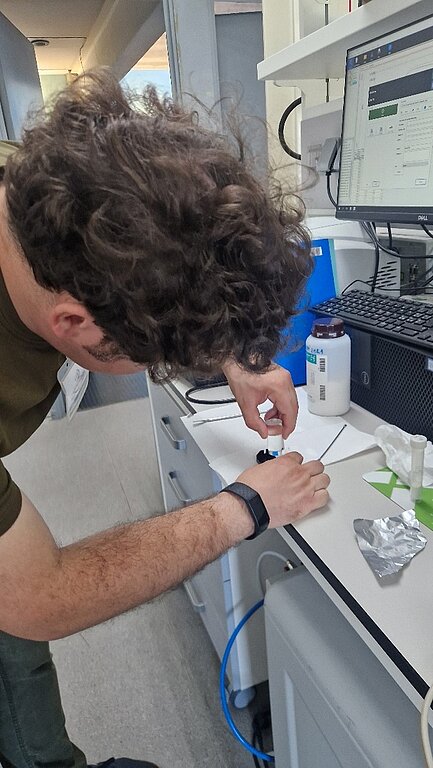
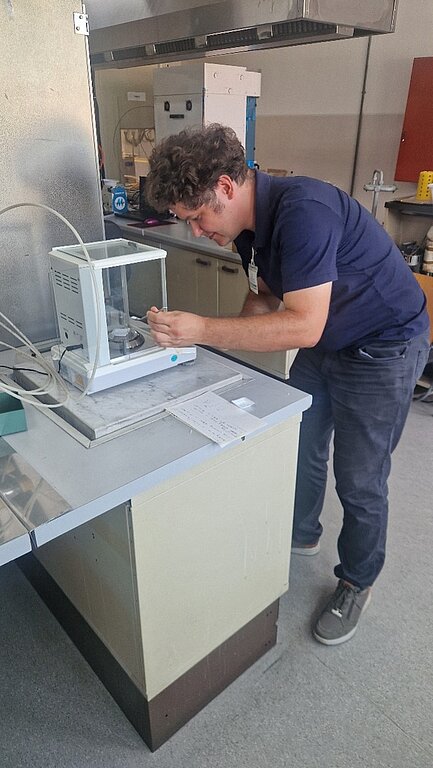
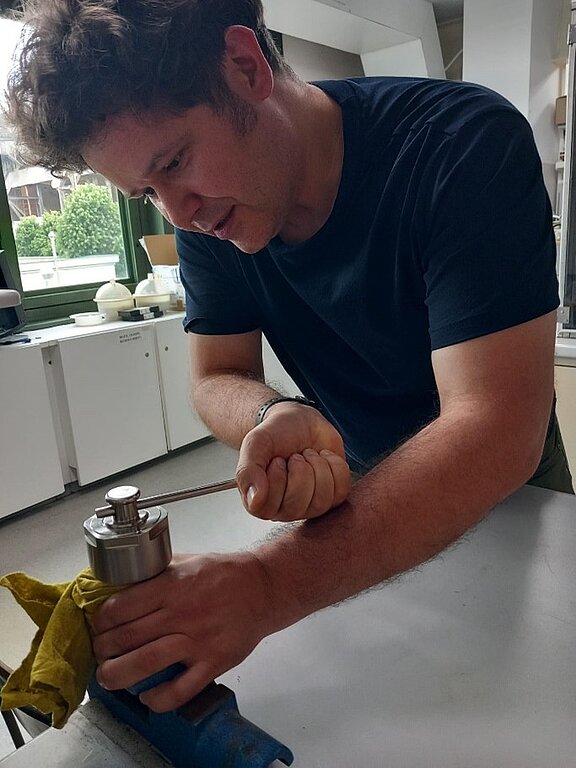
Dr. Domantas Peckus from Kaunas University of Technology (KTU) has completed a month-long secondment at CNR-STEMS in Naples, Italy, significantly advancing research on the synthesis and characterization of ZnO tetrapod:MOF structures. As part of Work Package 2 (WP2), Task 2.2, Dr. Peckus engaged in collaborative activities focused on the synthesis and characterisation of metal–organic framework (MOF) structures. The secondment was divided into two parts: the first from May 10–24, 2025, and the second from September 13–30, 2025.
During his stay, Dr. Peckus successfully synthesised ZnO–MOF hybrid structures by combining zinc oxide tetrapods with metal–organic frameworks using established fabrication protocols. Samples with varying MOF thicknesses were prepared. He conducted dynamic light scattering (DLS), FTIR, UV–Vis absorption, and reflectance spectroscopy measurements on the ZnO tetrapods to evaluate their optical properties and confirm successful integration with the MOF structures. The obtained results demonstrate significant novelty, particularly in the precise control of MOF layer thickness and its influence on the optical response of ZnO tetrapods. These ZnO–MOF hybrids exhibit a unique combination of semiconducting and porous characteristics, making them highly promising for applications in gas sensing, photocatalysis, and optoelectronic devices. The results of this work expand the understanding of interfacial interactions in semiconductor–MOF systems and open new opportunities for the development of multifunctional hybrid materials.
Serhii Salnikov


From April 15 to May 14, 2025 and July 15 to August 14, Mr. Karlis Grundšteins participated in a collaborative initiative under Work Package 3 (WP3) aimed at fostering research and providing specialized training opportunities between LU ASI and EDEN TECH.
Mr. Grundšteins gained new knowledge in microfluidics technology, worked with its methods and development. Mastered the FLUI’DEVICE software for designing microfluidic chips, enabling their design and simulation for faster prototyping purposes. He learned more about EDEN TECH's laboratory and production processes.
He worked on preparation of solutions with luminophores. Coating of active zones and encapsulation of channels for microfluidic chips, measurements of visible light degradation, intensity measurements, spectrum measurements, and contact angle measurements were performed. Intensity and stability measurements, result analysis, and optimization of microfluidics technology for equipment prototyping.
The secondment concluded with Mr. Grundšteins presenting his research and findings to EDEN TECH and at the Université de Reims Champagne-Ardenne fostering further collaboration and knowledge exchange. The visit was part of the project "New optical nanocomposite sensors for micro and macro element analysis in corn plants" SENS4CORN No.101086364
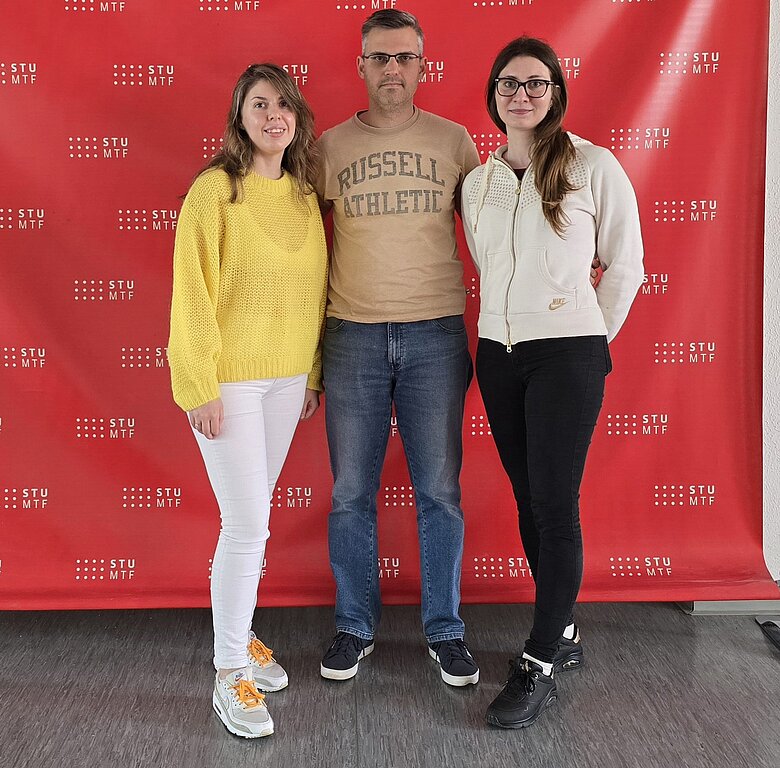
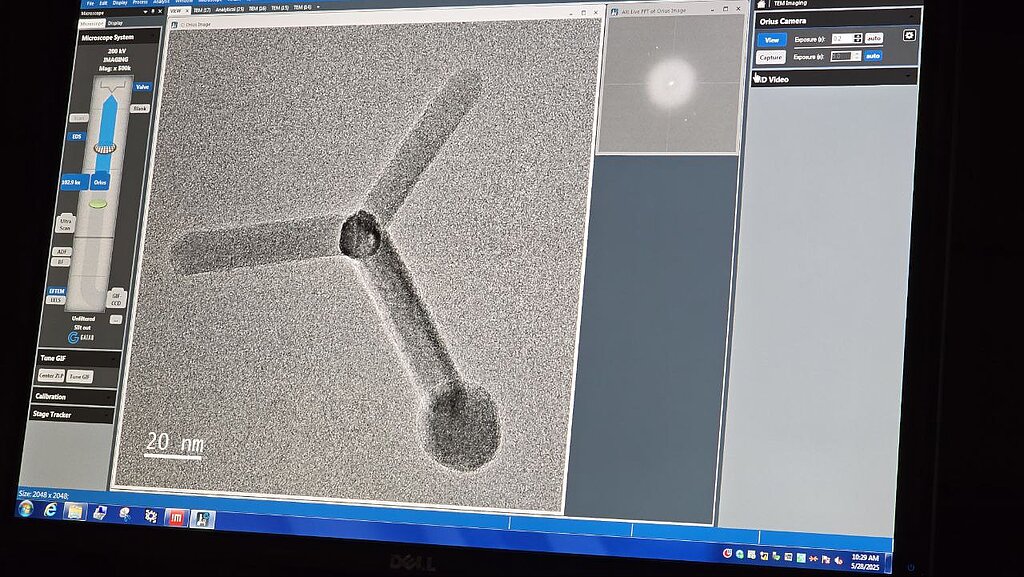
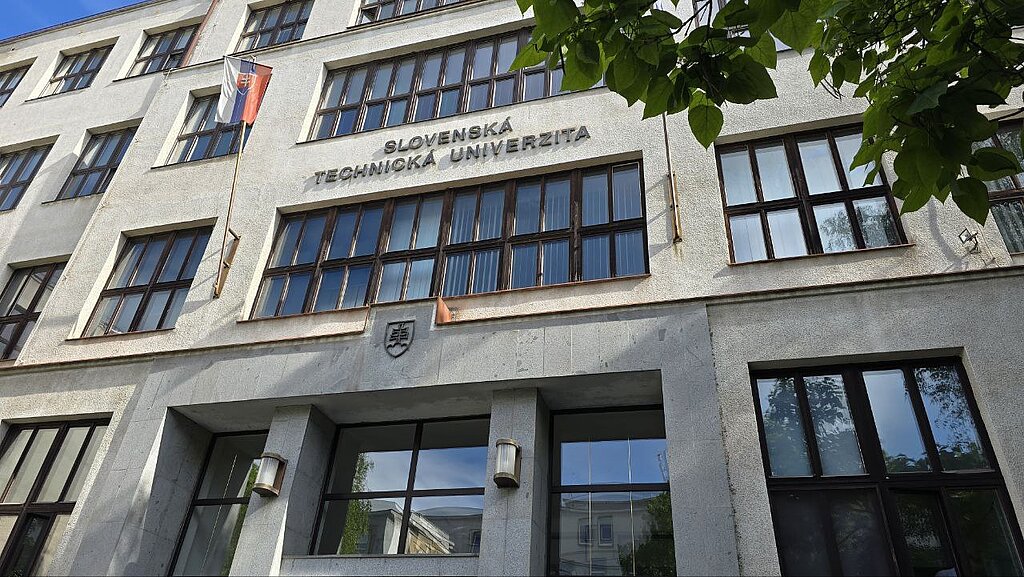
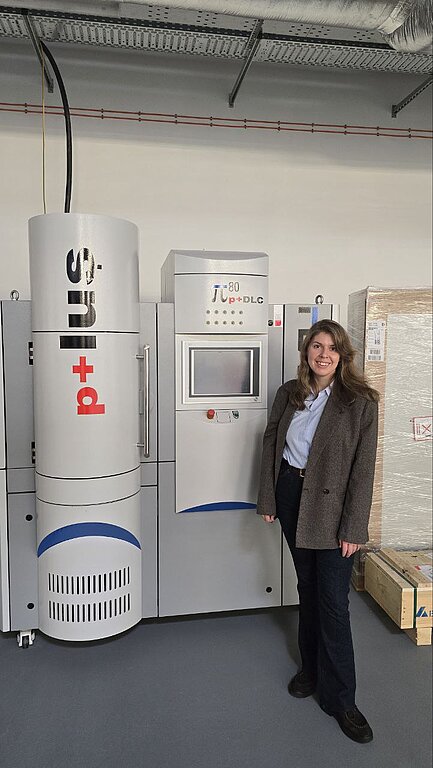
From 15 May to 14 June 2025, Ms Iryna Tepliakova, a researcher from the University of Latvia, visited the Slovak University of Technology in Bratislava for one month. Her research activities were split between the Faculty of Material Science and Technology in Trnava and the Centre of Nanodiagnostics in Bratislava.
Ms Tepliakova's research with Dr Martin Sahul's group focused on the morphology, structure and electronic properties of ZnO-SB, ZnO-MOF and g-CN-SB nanocomposites. She used a variety of analytical techniques, such as scanning electron microscopy (SEM), transmission electron microscopy, X-ray diffraction (XRD), X-ray photoelectron spectroscopy (XPS) and Raman spectroscopy, to carry out her research.
Thanks to this visit, Ms Tepliakova gained new knowledge and skills in the field of materials physics. The results were presented at two international conferences: EuroSensors 2025 in Wroclaw, Poland, and NanoInnovations 2025 in Rome, Italy.
Work is also underway on joint publications
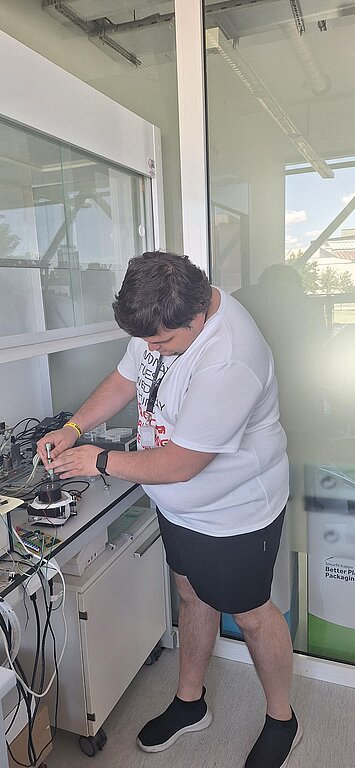
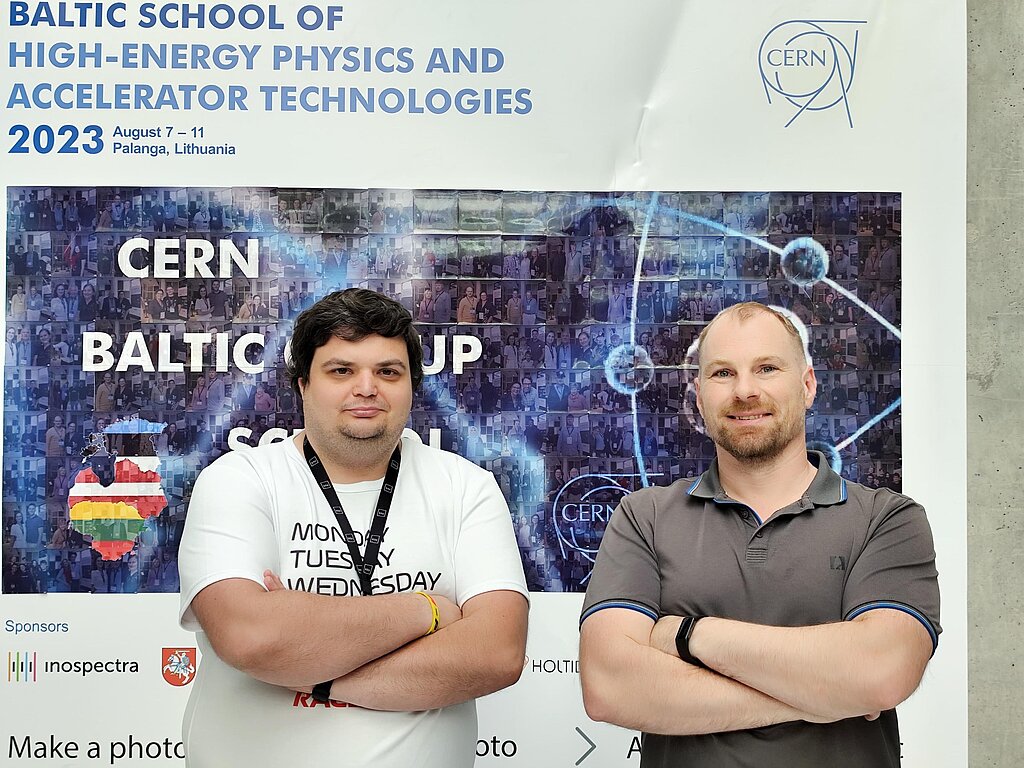
Research Assistant from the University of Latvia (LU), Mr. Viktor Zabolotnii, successfully completed a month-long secondment at Zinotech, a technology company based in Kaunas, Lithuania. The visit was carried out within the framework of Work Package 2 (WP2) and focused on advancing research in the field of molecular modelling and the characterization of improved compounds for sensor applications.
During the secondment, Mr. Zabolotnii participated in a series of collaborative experimental activities aimed at enhancing the understanding of material properties relevant to sensor development. The characterization of materials was conducted using several advanced analytical techniques, including Scanning Electron Microscopy (SEM), Raman spectroscopy, and UV-Vis spectroscopy.
The obtained results were thoroughly analysed and discussed with the host research team. These findings will contribute to the ongoing optimization of both the synthesis and characterisation methodologies, supporting the development of more efficient and reliable sensor materials in future stages of the project
Roman Viter
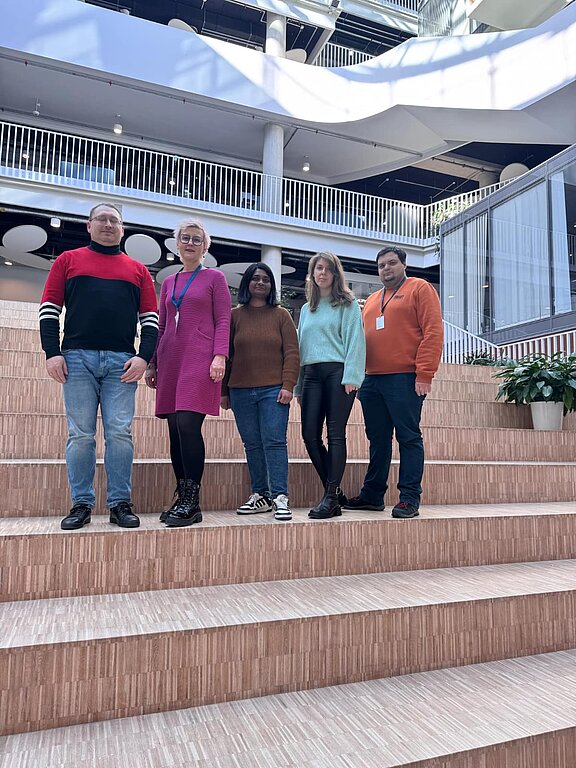
One researcher from Nicolaus Copernicus University (UMK) in Torun, Poland has completed a month-long secondment from 17.03.2025 to 17.04.2025 at the University of Latvia (LU), significantly advancing research in sensor technology, nanomaterials, and composites. As part of Work Package 2 (WP2), Ms Debleena Mandal was engaged in collaborative activities aimed at enhancing the development of advanced sensors for metal ion detection.
Debleena Mandal primarily investigated the sensory properties of different ligands and their composites for detecting metal ions in solvents such as ethanol and DMF. Additionally, she prepared ZnO-imine-based ligand composites, of the ligand S27.EA was examined for its sensitivity to metal ions using photoluminescence. The synthesised ZnO-imine-based ligand S27EA-ZnO composites showed sensitivity to a wide range of metal ions, including Fe³⁺, Al³⁺, Cr3⁺, Cu 2+, Mg²⁺, and Zn²⁺. The ligands S40 and S41 were also analysed using the transmittance PL method. She observed sensitivity and selectivity of S40 toward Fe³⁺ and Cu²⁺ ions, and in the case of S41, it was found to be sensitive towards Fe³⁺, Co²⁺, and Mg²⁺ ions. Measurements were performed in both DMF and ethanol solvents.
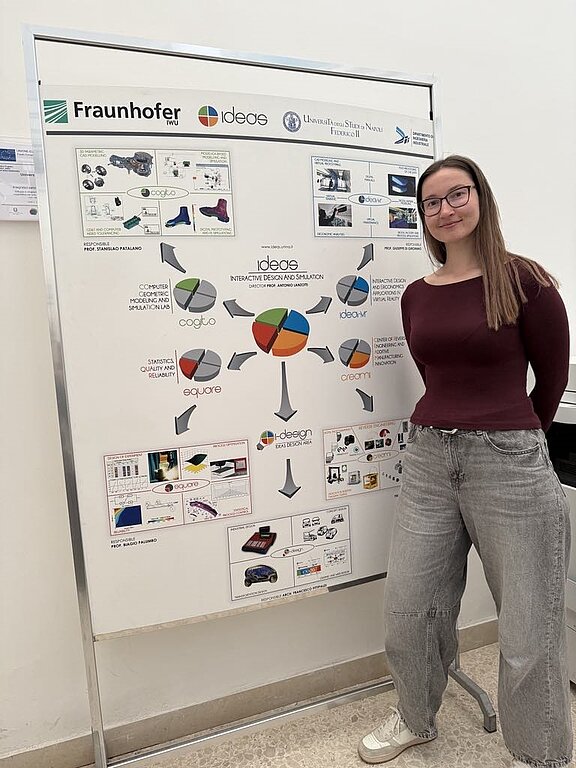
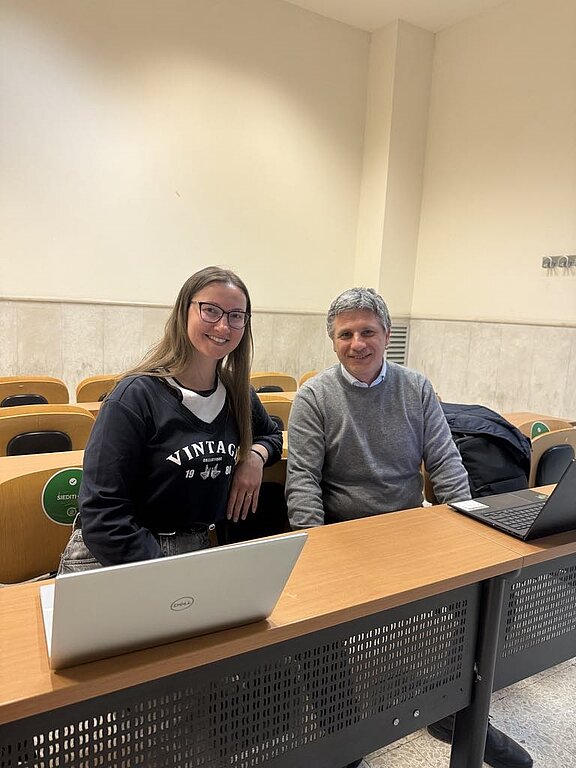
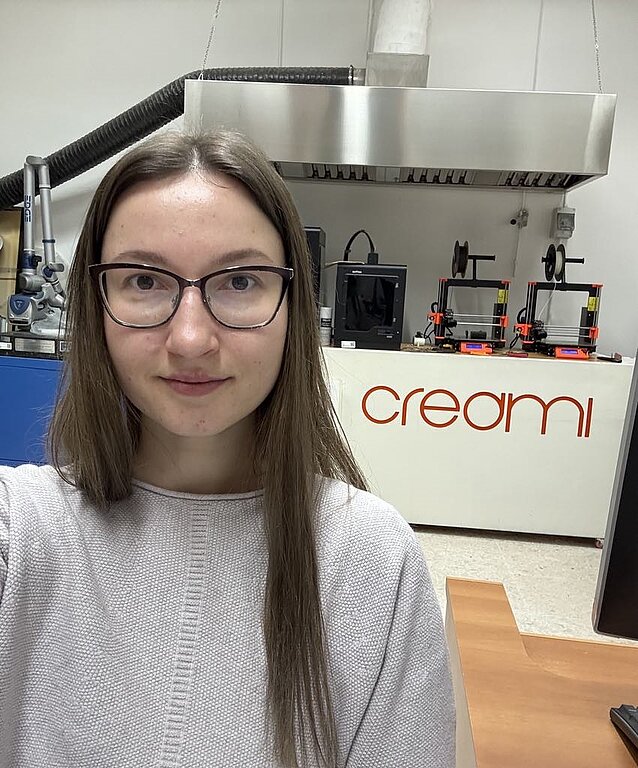
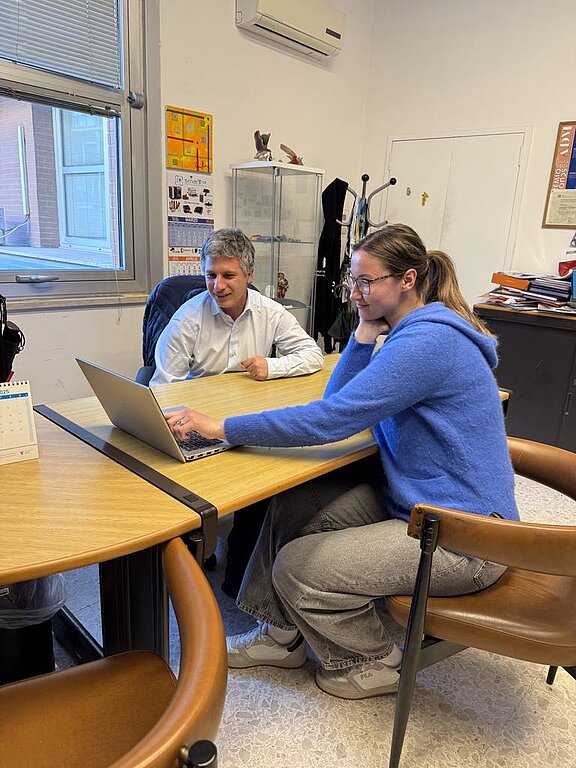
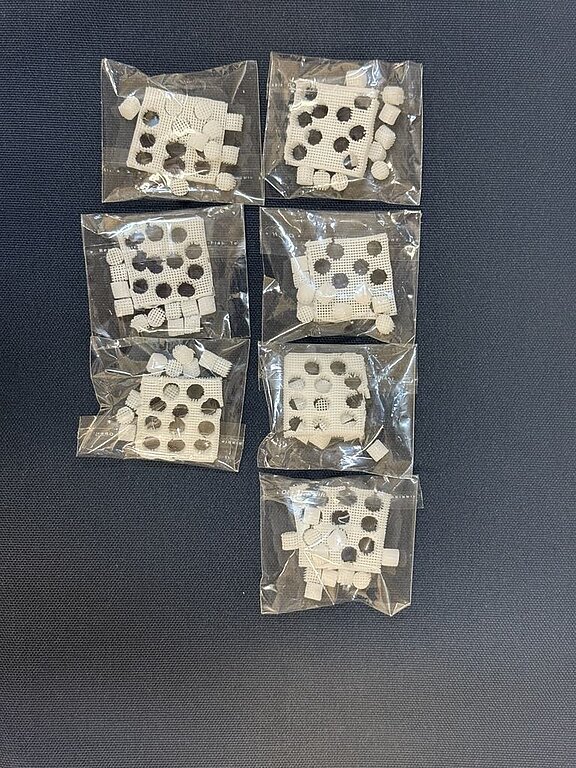
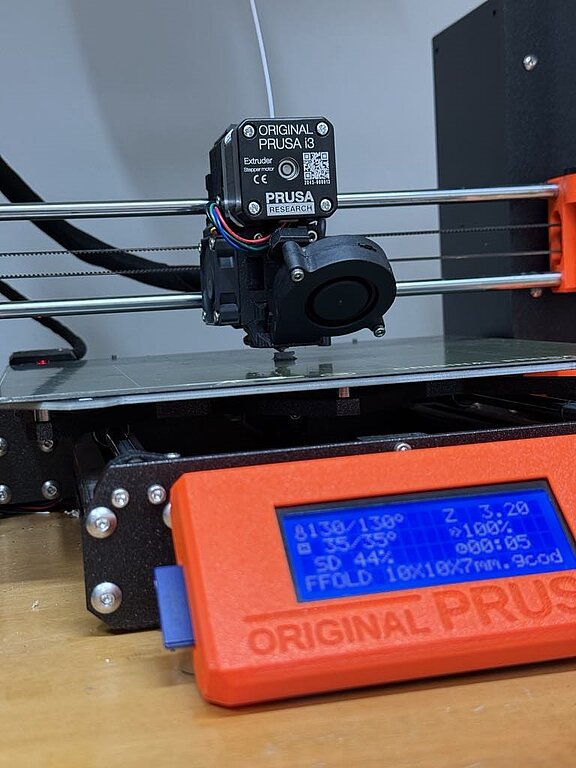
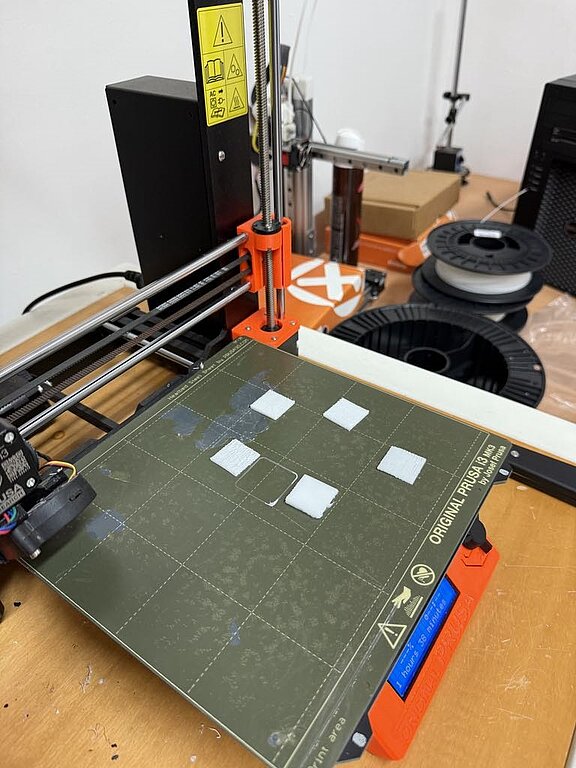
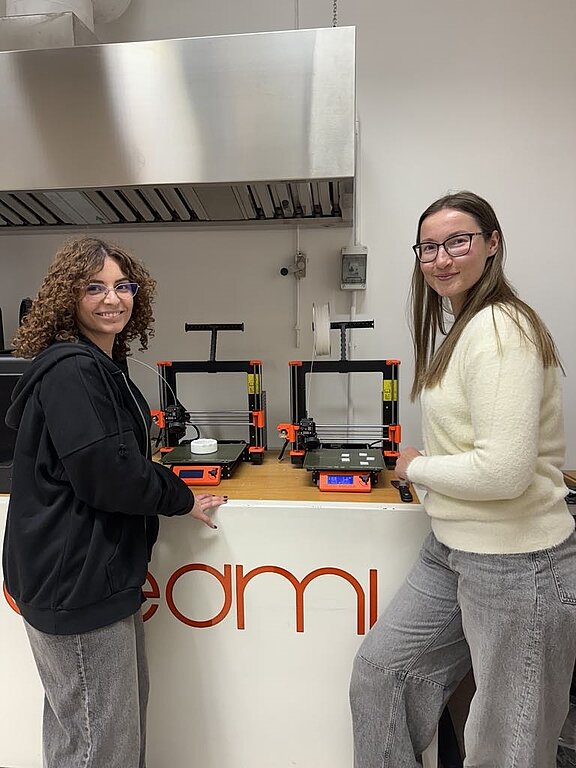

Within the framework of the Sens4Corn project, from February 28 to April 27, 2025, PhD Student Greta Žvirzdinė (before Pilvenyte) from SensoGrafa (Vilnius, Lithuania) completed her 2 months lasted secondment at the University of Naples Federico II (UNINA), Italy. The secondment focused on training in different 3D printing technologies and the application of MAPLE (Matrix-Assisted Pulsed Laser Evaporation) techniques for the fabrication of functional materials. PhD Student Greta worked with the team to obtain the concept and implementation of molecularly imprinted polymers (MIPs) on 3D scaffolds for enhanced results. In collaboration with the host institution, she contributed to the designing of the experiments involving polycaprolactone-based scaffolds for a 3D fusion printer, incorporated MAPLE-deposited MIPs. Her participation in laboratory activities and data analysis supported the preparation of a joint scientific manuscript. This secondment significantly enhanced knowledge exchange and fostered institutional cooperation. The results of this secondment are intended for presentation at conferences and will serve as a foundation for future collaborative research and publications between the SensoGrafa and UNINA teams

From February 15 to March 14, 2025, Mr. Kārlis Grundšteins participated in a collaborative initiative under Work Package 2 (WP2) aimed at fostering research and providing specialised training opportunities between LU ASI and MB SensoGrafa.
Mr. Grundšteins gained new knowledge was gained in the development of paper sensor templates. The paper sensors were developed using filter paper and PLA and PP polymers. Shapr3D design software was mastered for sensor development, which allows for designing and simulating them for faster prototyping purposes. Knowledge was acquired for the application of microfluidic chips in liquid manipulation. Sensors were printed using the Prusa MK3S FDM printer. The parameters of the paper sensors were optimized for reaction control. The detection limits and sensitivity range of the sensor were determined. The visit was part of the project "New optical nanocomposite sensors for micro and macro element analysis in corn plants" SENS4CORN No.101086364.
In the project "New optical nanocomposite sensors for micro and macro element analysis in corn plants" SENS4CORN No.101086364, new knowledge was gained in the development of paper sensor templates. The paper sensors were developed using filter paper and PLA and PP polymers. Shapr3D design software was mastered for sensor development, which allows for designing and simulating them for faster prototyping purposes. Knowledge was acquired for the application of microfluidic chips in liquid manipulation. Sensors were printed using the Prusa MK3S FDM printer. The parameters of the paper sensors were optimized for reaction control. The detection limits and sensitivity range of the sensor were determined. Analysis of results for the obtained samples
Teodora Velcheva Kirova
Continued from 2024 - Iryna Rospasiіenko and Dina Gusarova
Continued from 2024 - Ambra Fioravanti
Continued from 2024 - Greta Pilvenyte (Žvirzdinė)